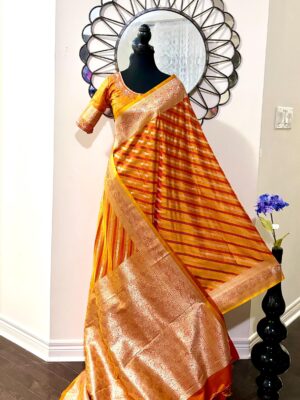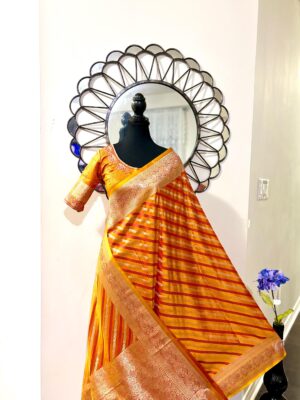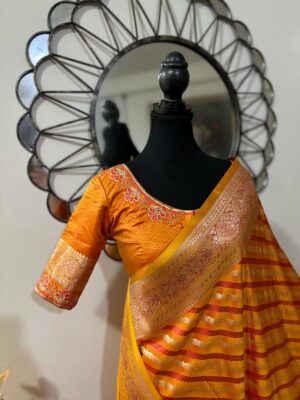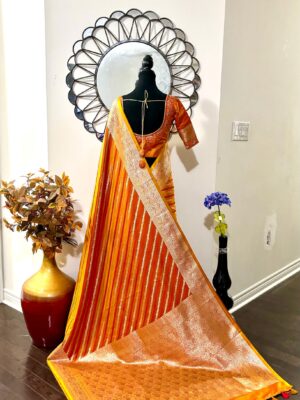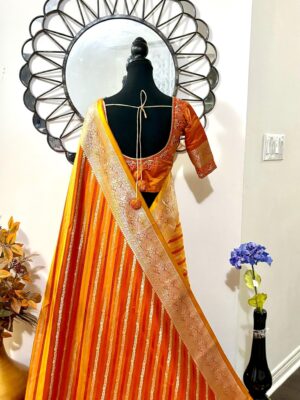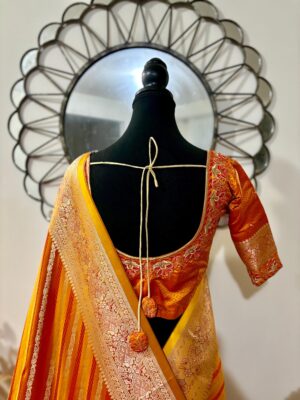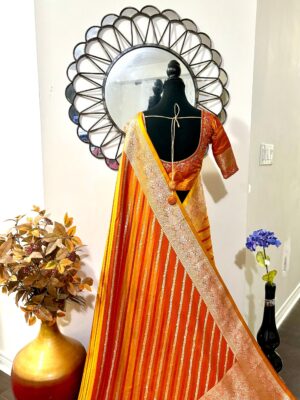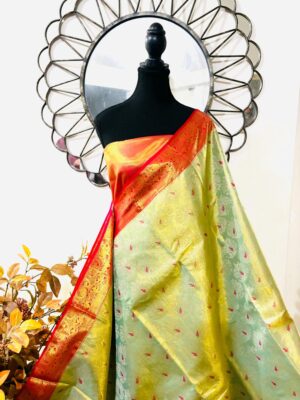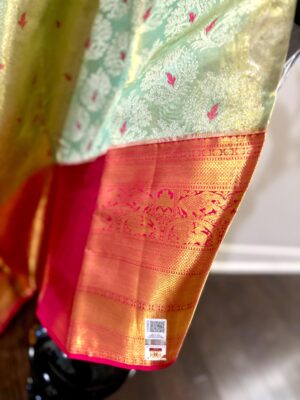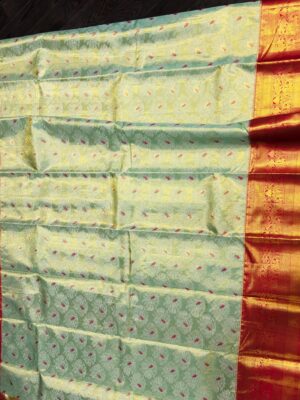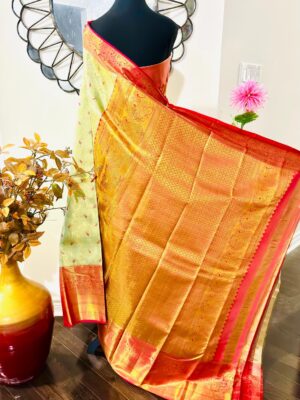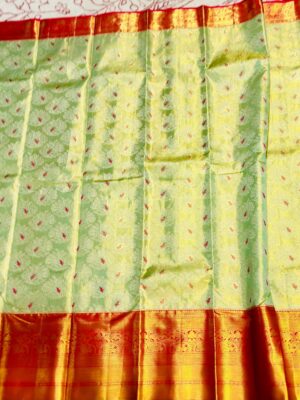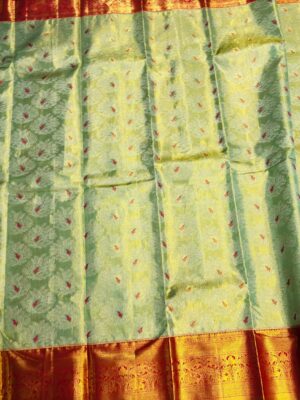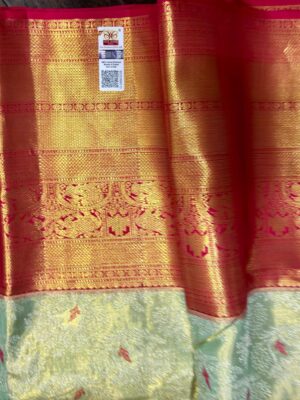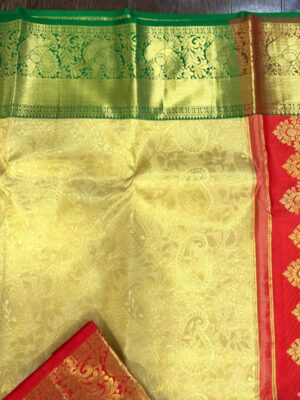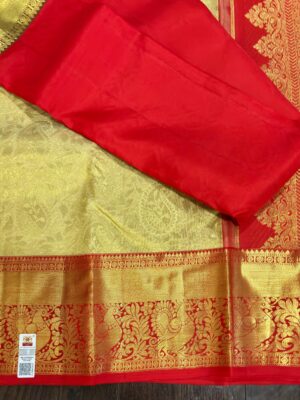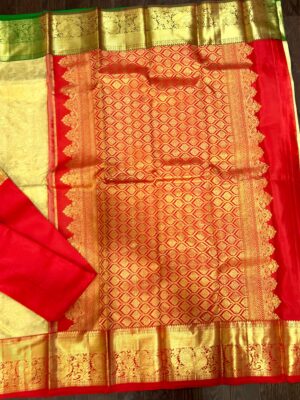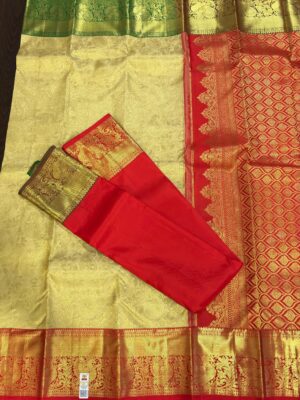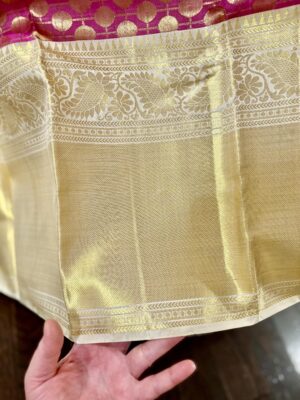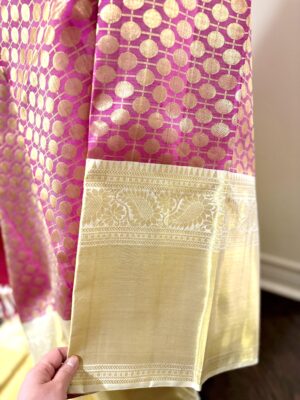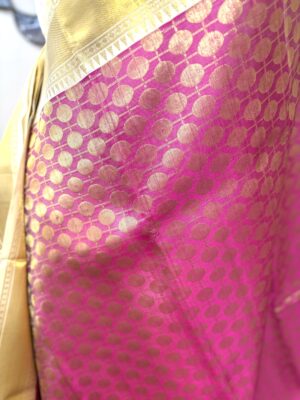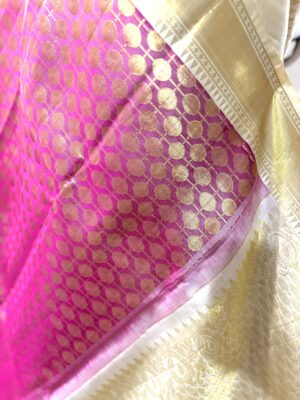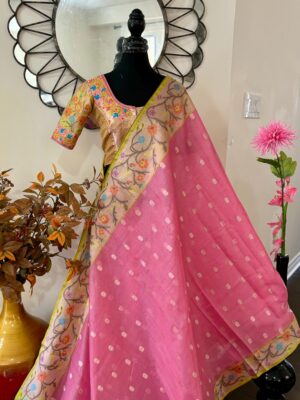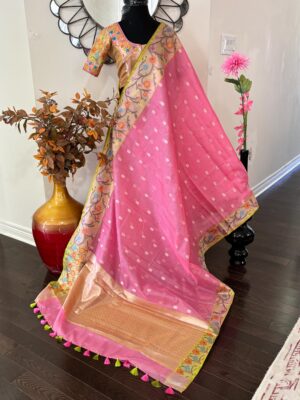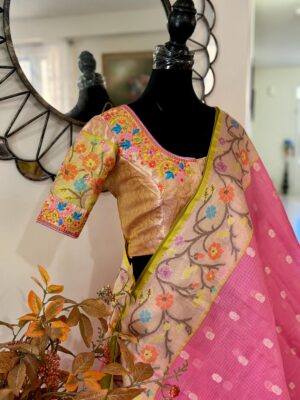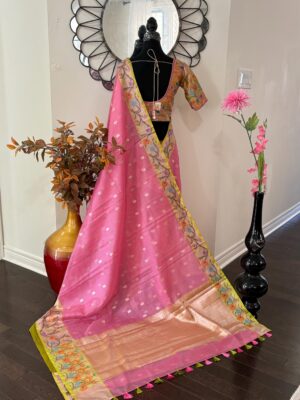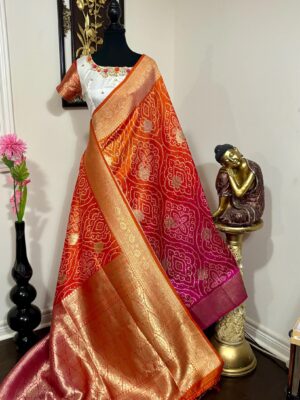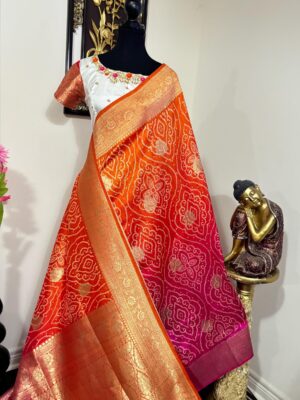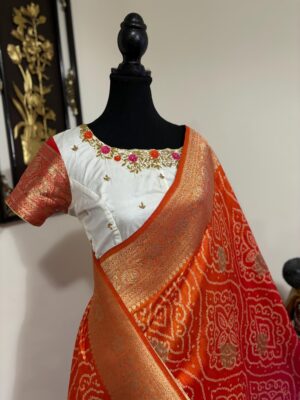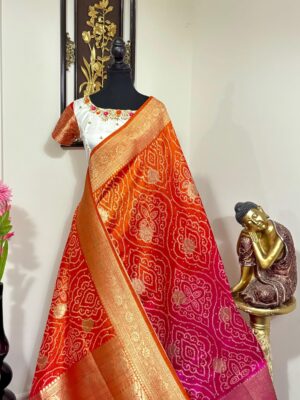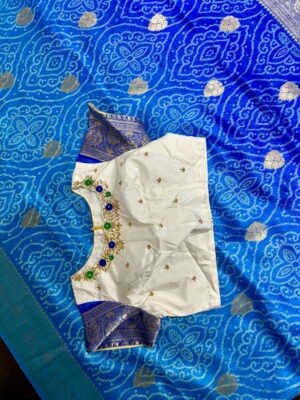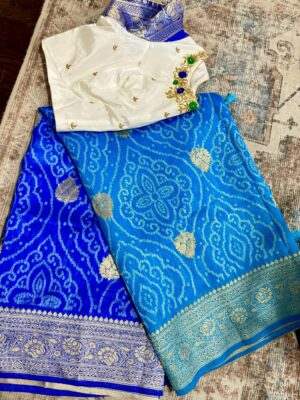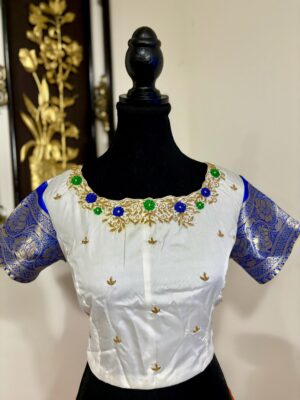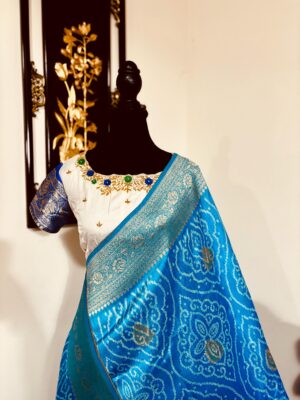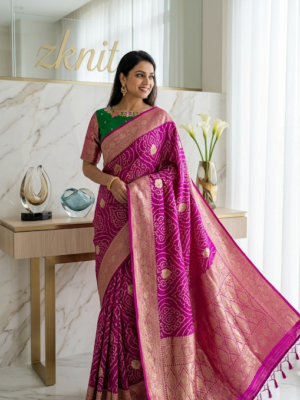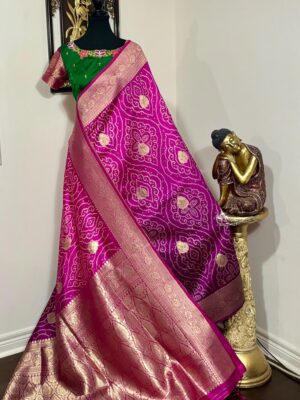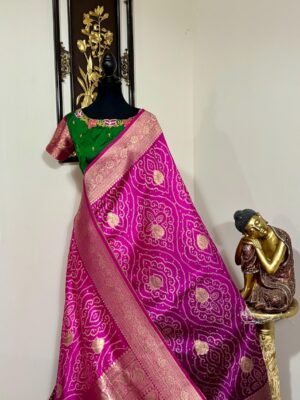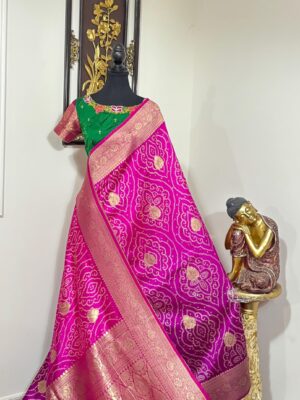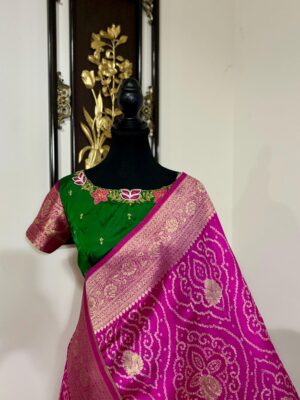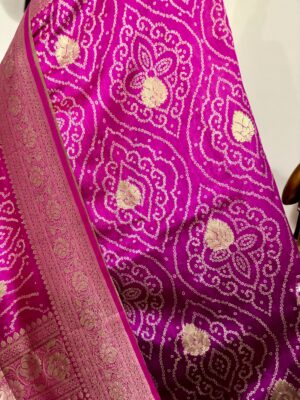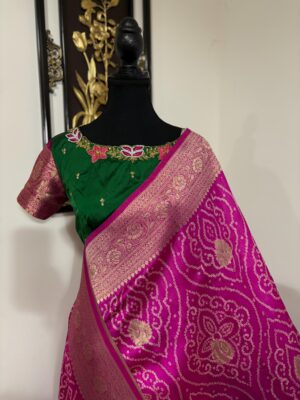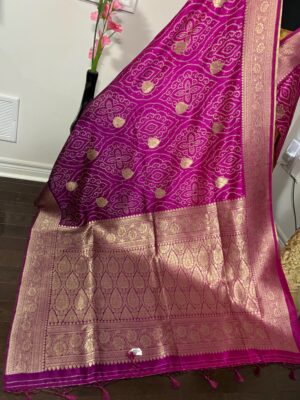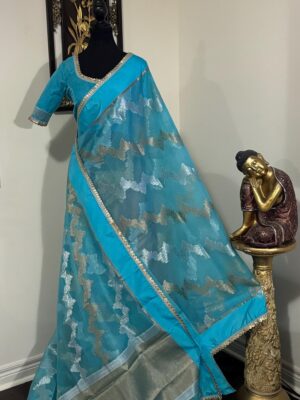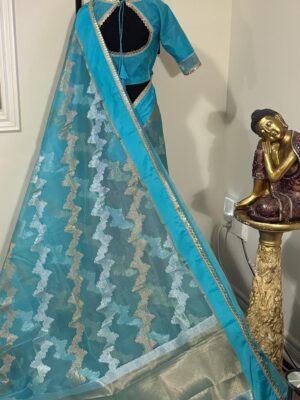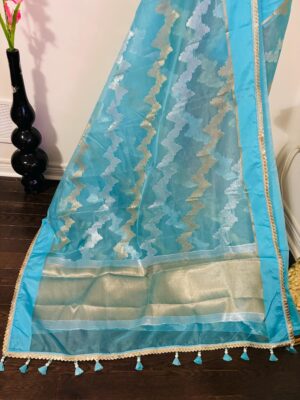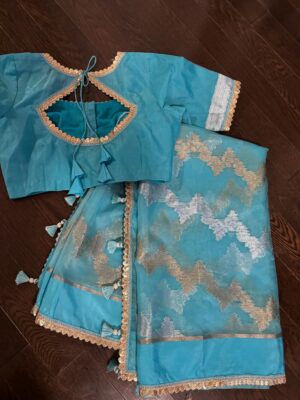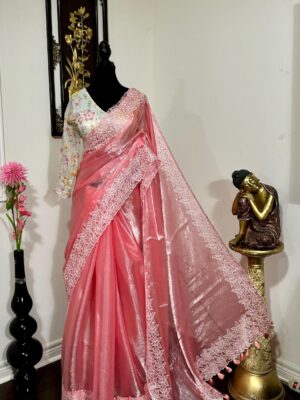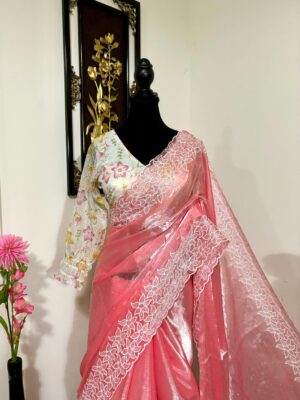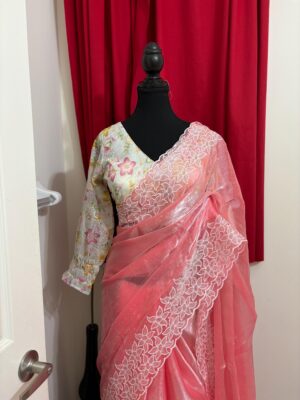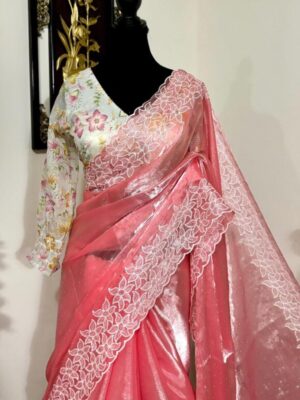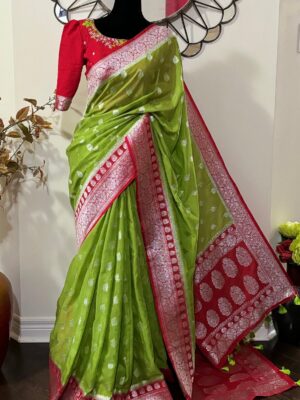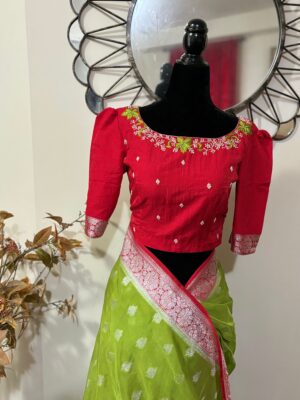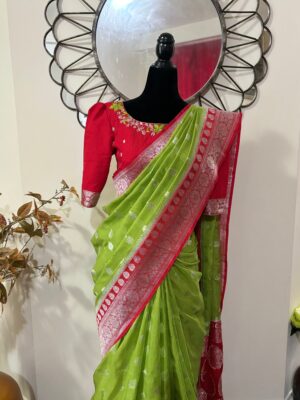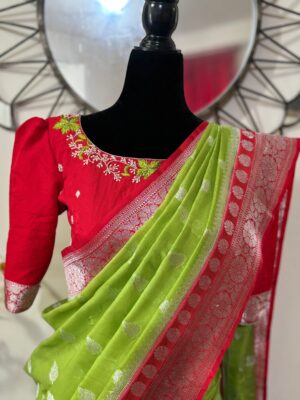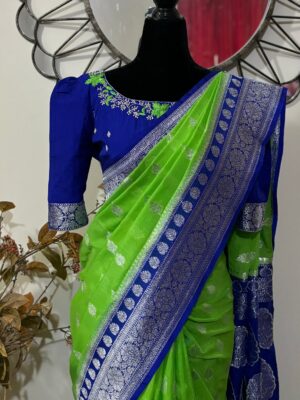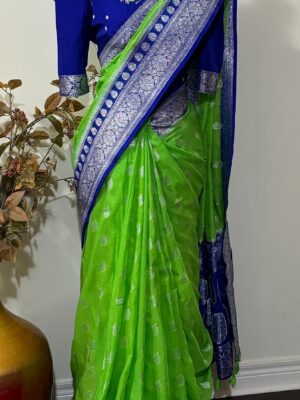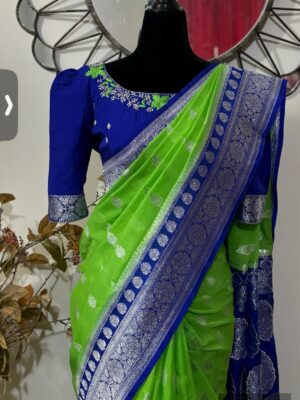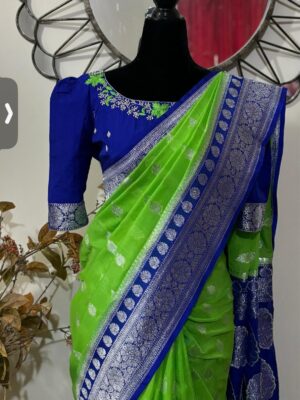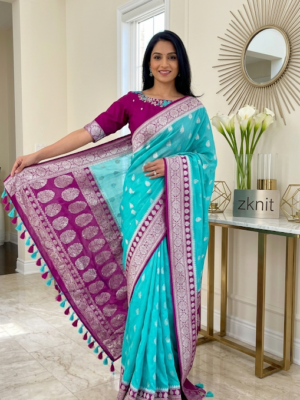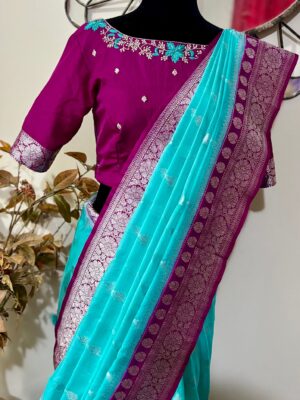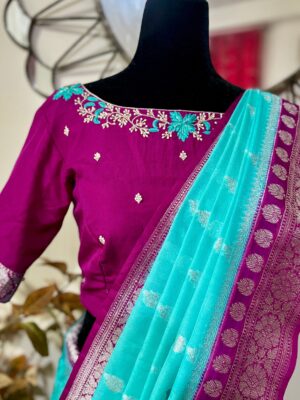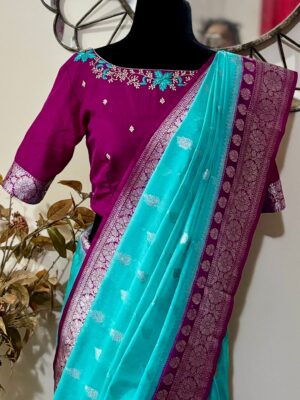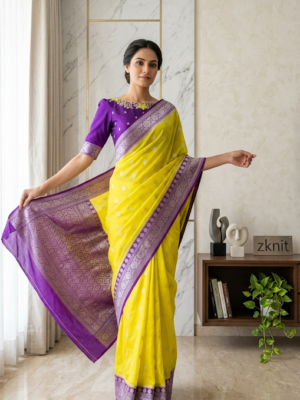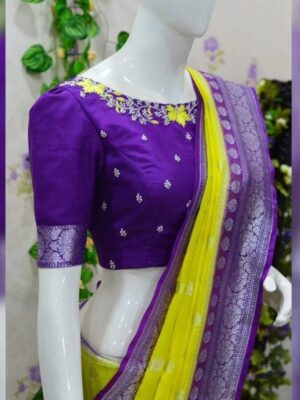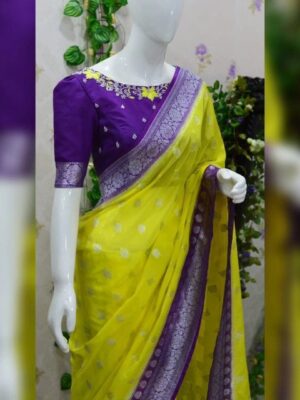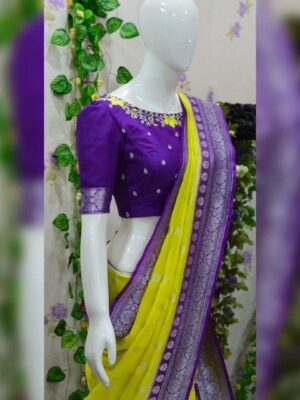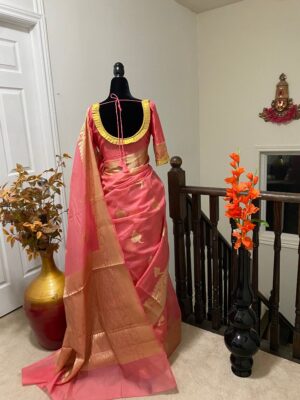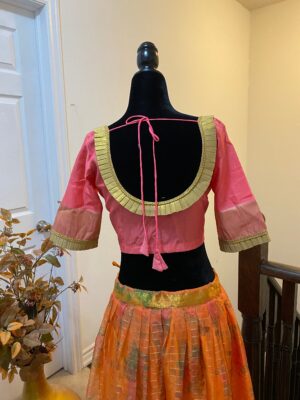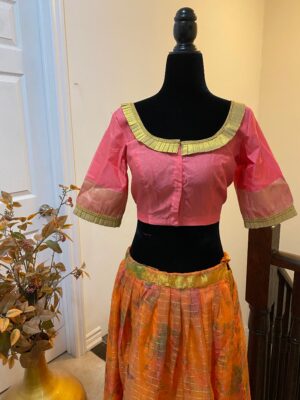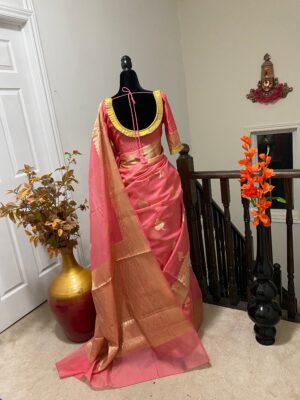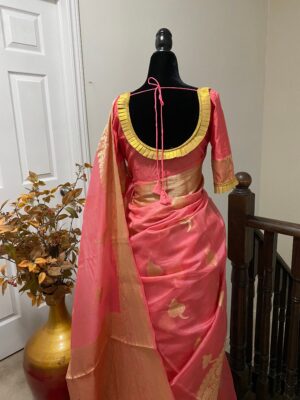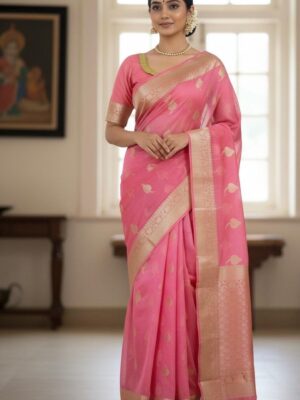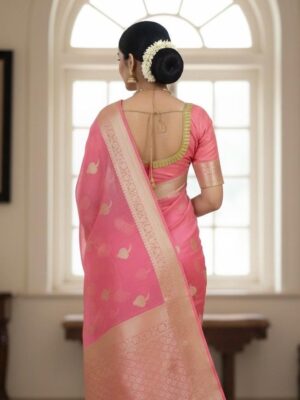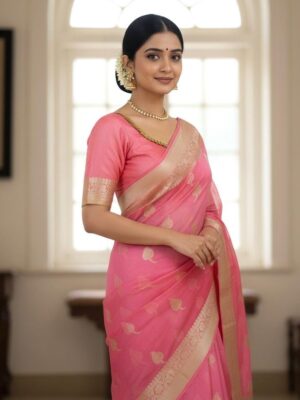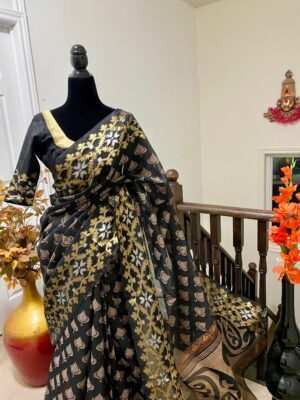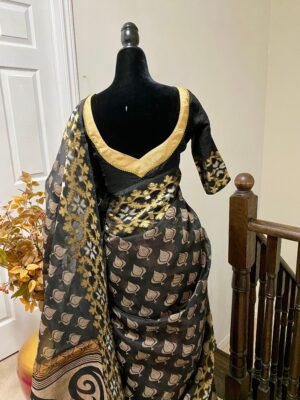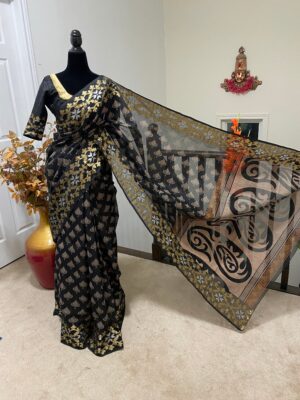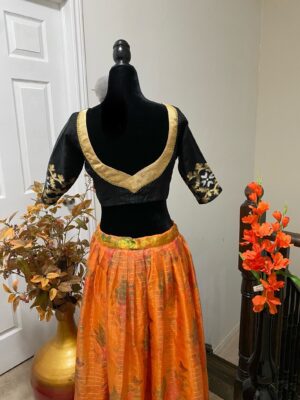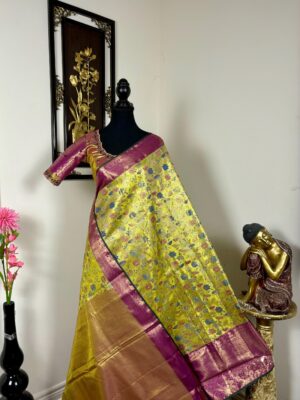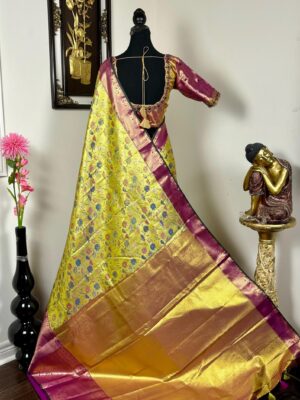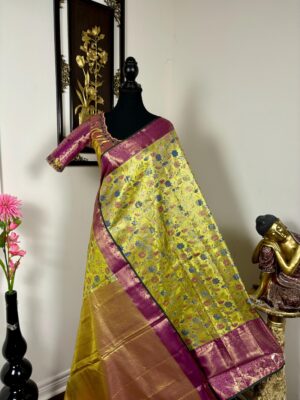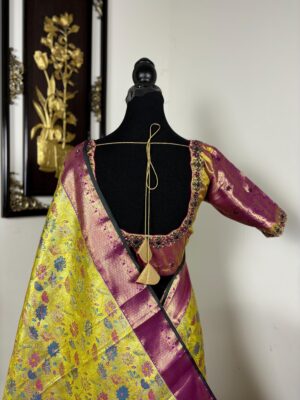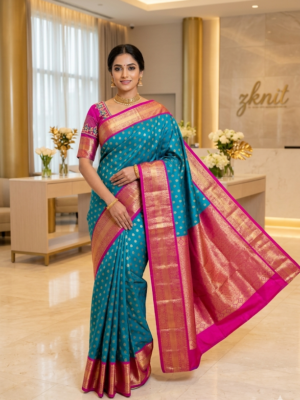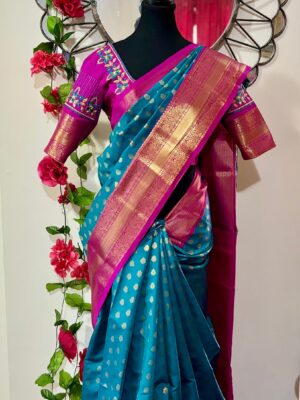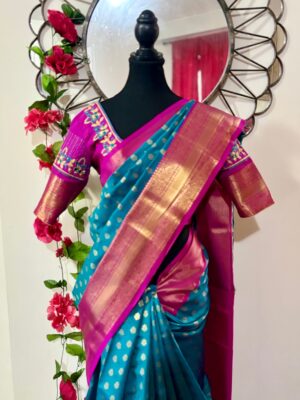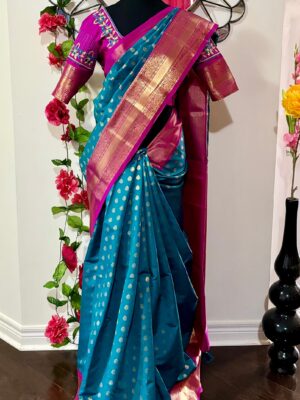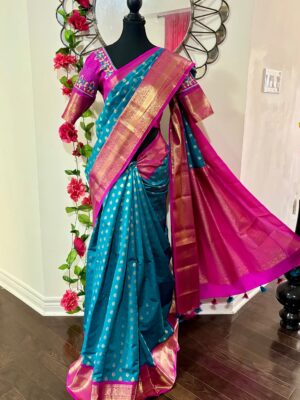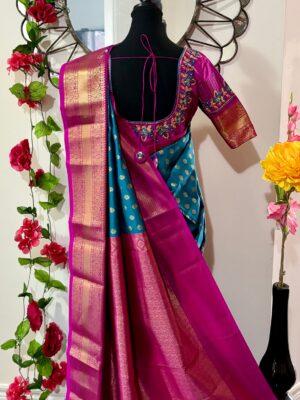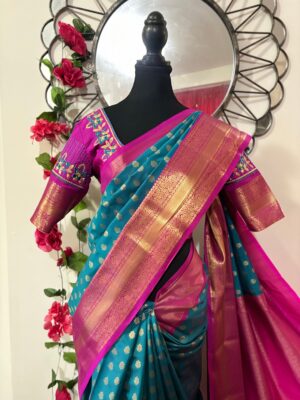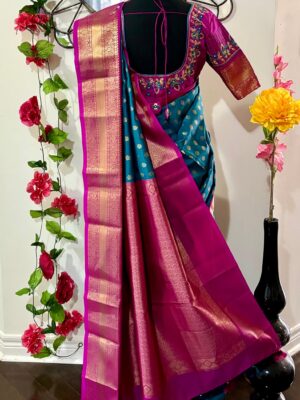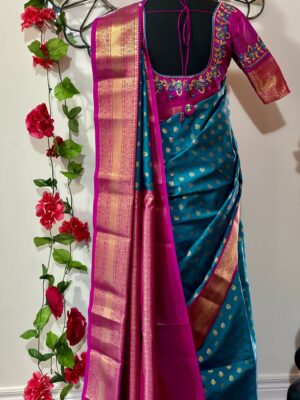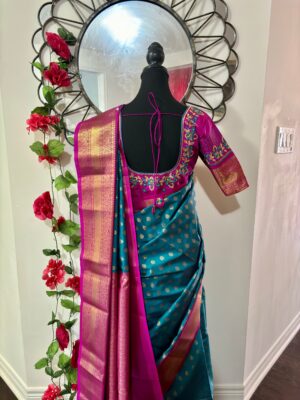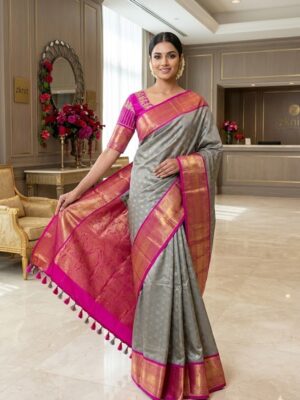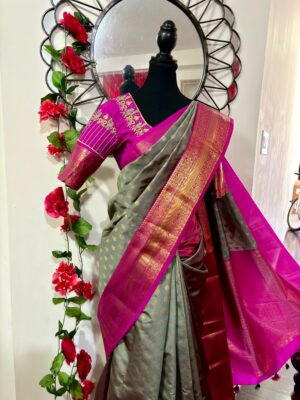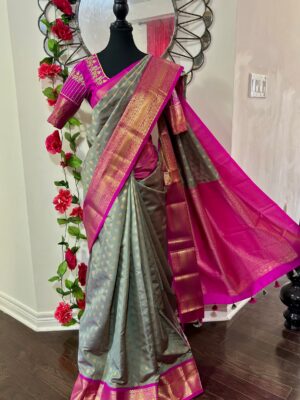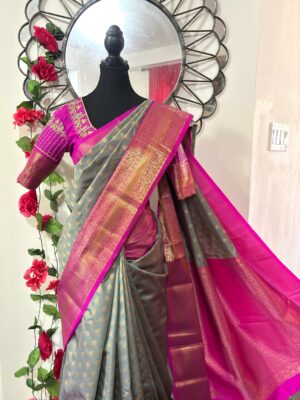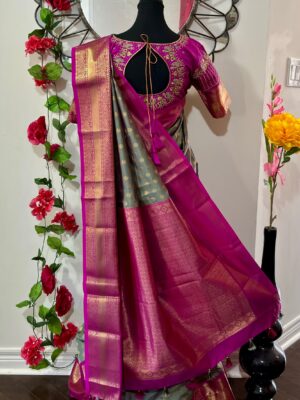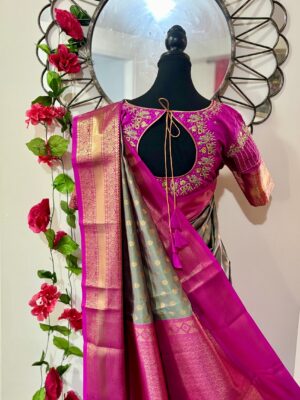
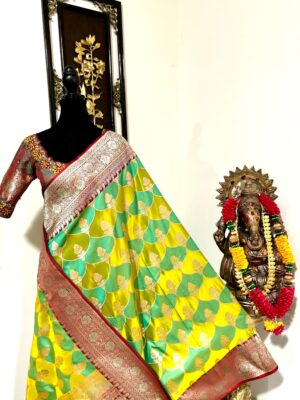
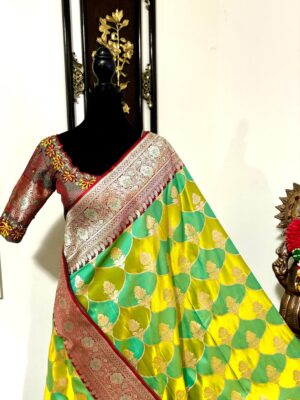
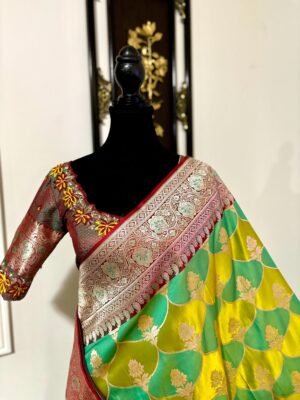
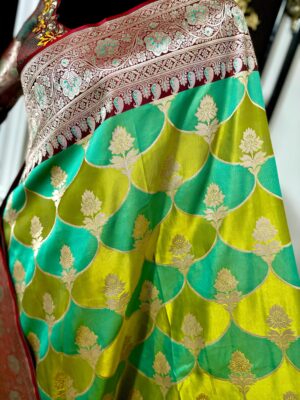
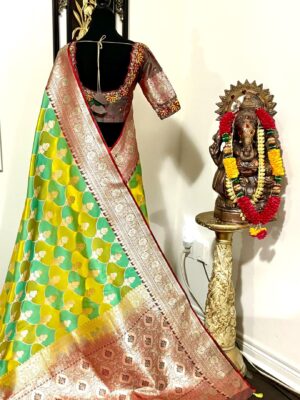
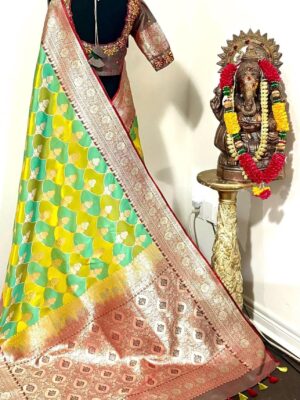
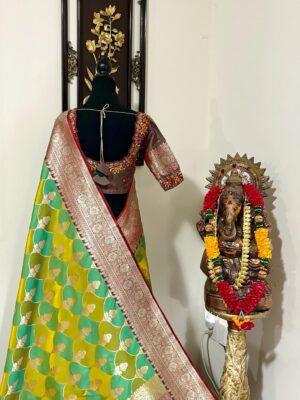
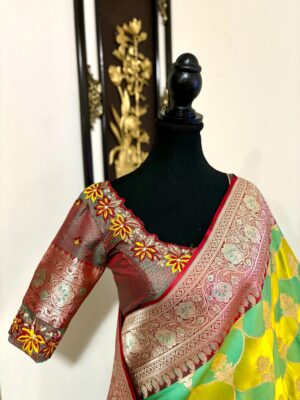
Saree

Price


Categories -

Color +

Red
Pink
Orange
Yellow
Green
Blue
Purple
Brown
Beige
Grey
Silver
Black
White
Multi

Size +

  • 1
  • 2
  • 3
  • 4
  • 5
  • 6
  • 7
  • 8
  • 9
  • 10
  • 11
  • 12
  • 13
  • NEWBORN
  • 0-6M
  • 3-6M
  • 6-12M
  • 1-2Y
  • 2-3Y
  • 2-4Y
  • 3-4Y
  • 3-5Y
  • 4-5Y
  • 5-6Y
  • 6-7Y
  • 7-8Y
  • 8-9Y
  • 9-10Y
  • 10-11Y
  • 11-12Y
  • 12-13Y
  • 13-14Y
  • 14-15Y
  • 32
  • 34
  • 36
  • 38
  • 40
  • 42
  • 44
  • 46
  • S-M
  • L-XL
  • 2XL-3XL
  • XS
  • S
  • M
  • L
  • XL
  • 2XL
  • 3XL
  • 4XL
  • 5XL
  • 6XL
  • 7XL
  • 8XL
  • 9XL

Material +

  • Show more

Scroll down to read our complete guide on sarees, including history, types, fabrics, styling tips, and care instructions.


Read Full Saree Guide

The History of Saree: A Legacy of Tradition

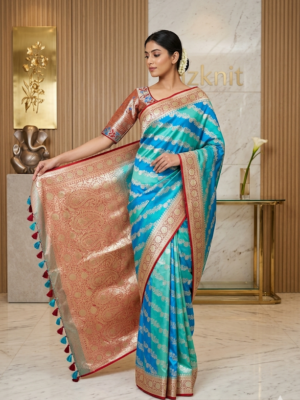
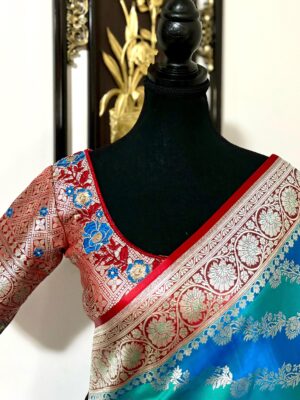
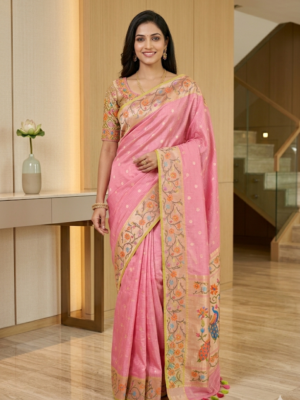
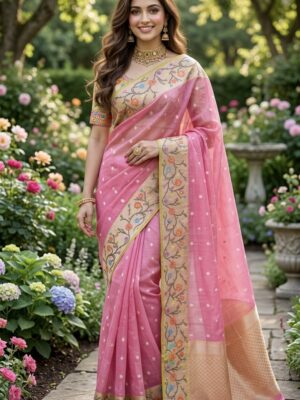
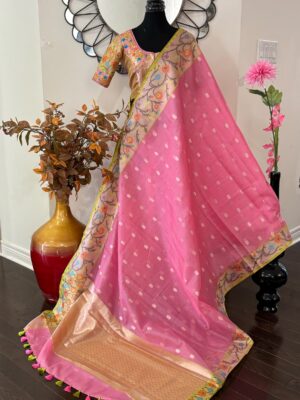
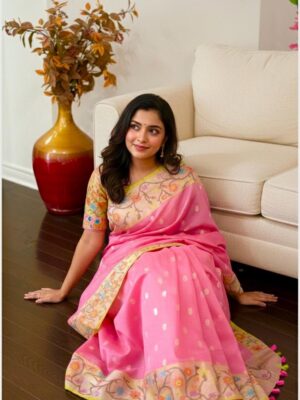
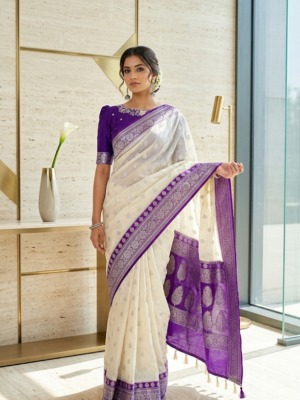
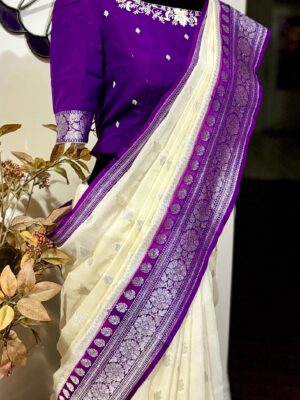
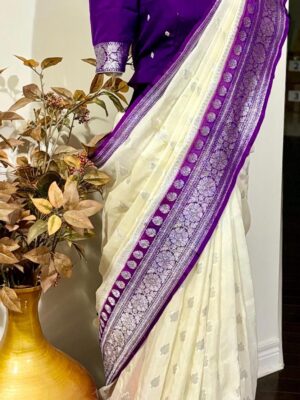
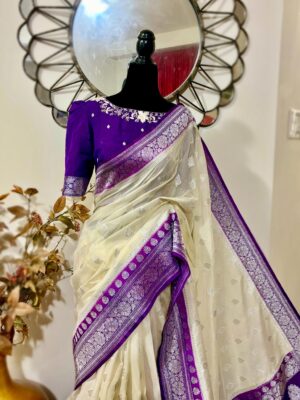
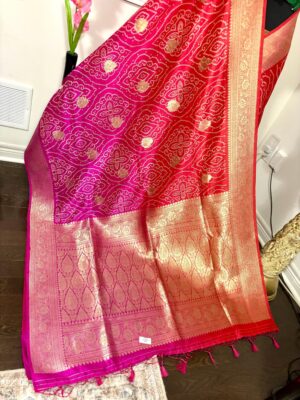
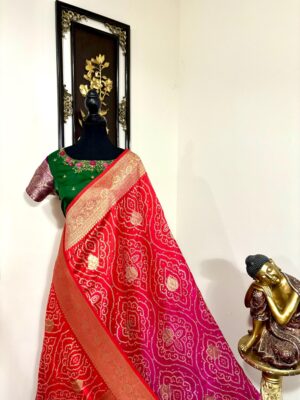
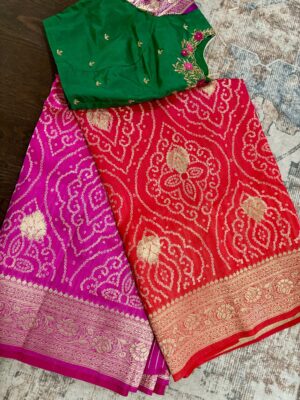
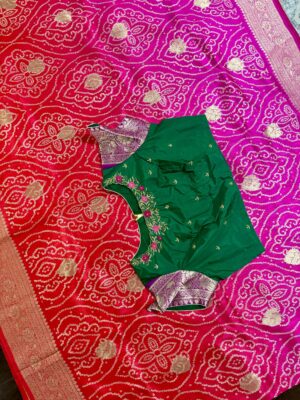
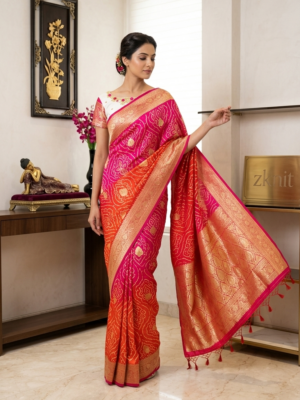
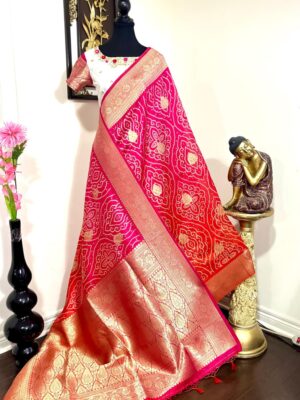
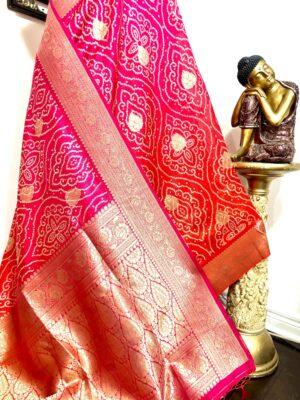
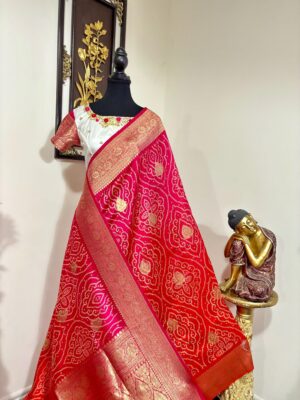
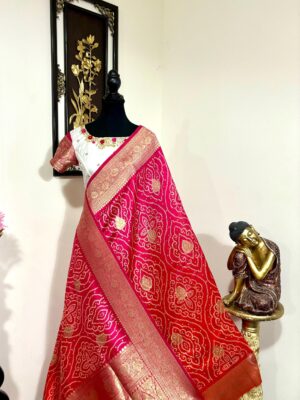
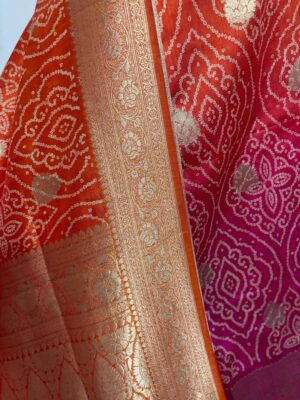
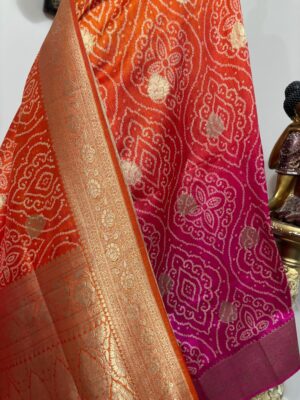
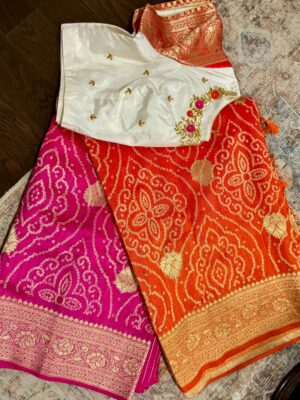
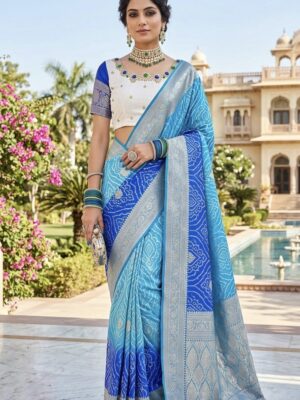
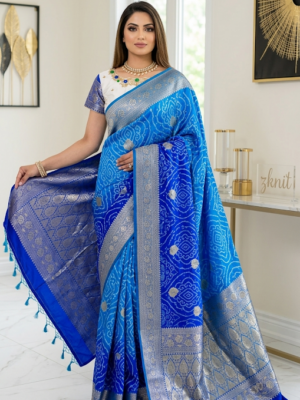
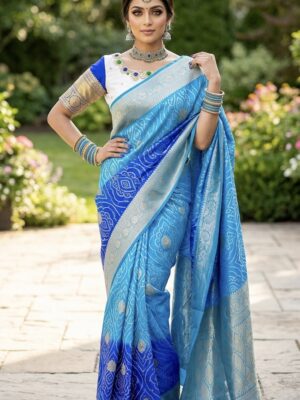
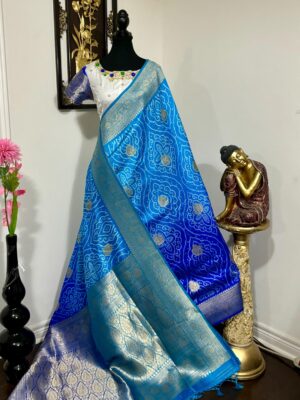
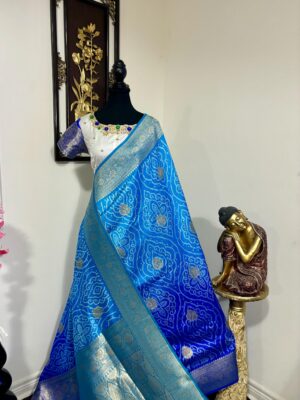
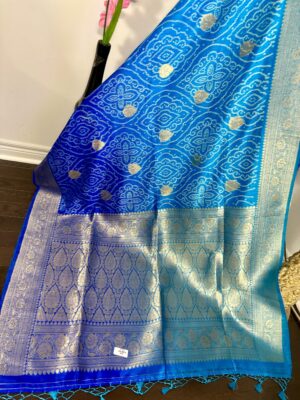
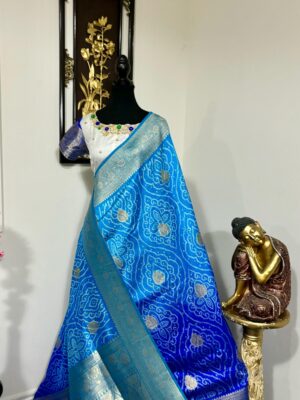
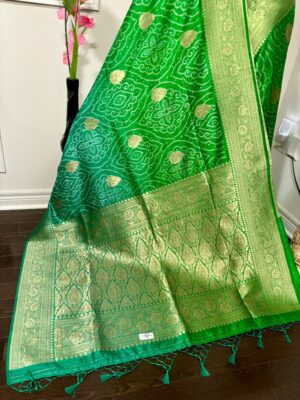
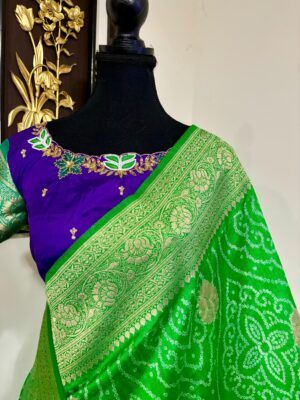
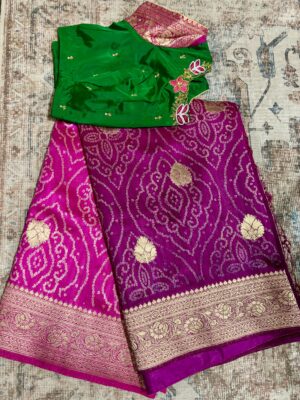
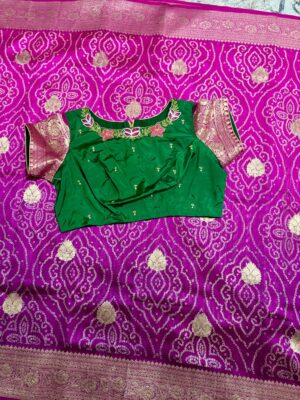
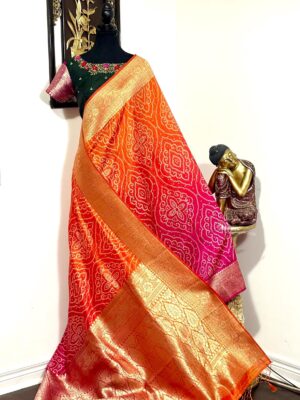
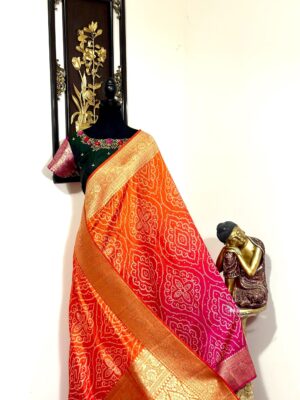
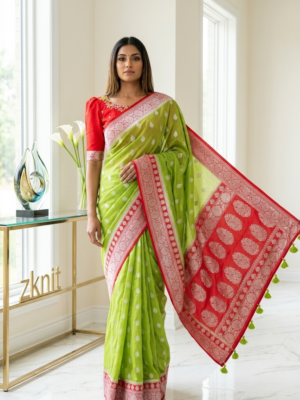
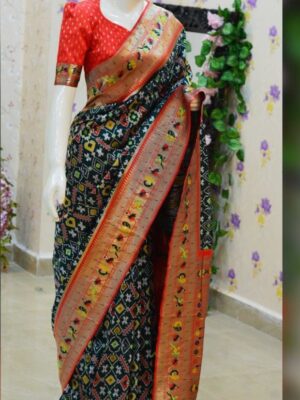
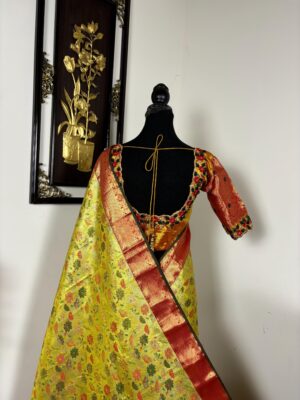
The origins of the saree date back over 5,000 years. Ancient art and literature depict women draped in unstitched fabrics, a style that has evolved over centuries into the sarees we wear today. Each region in India developed its own weaving techniques, resulting in a rich diversity of sarees like Banarasi, Kanjivaram, Chanderi, and Bandhani.


Types of Sarees: Styles for Every Occasion

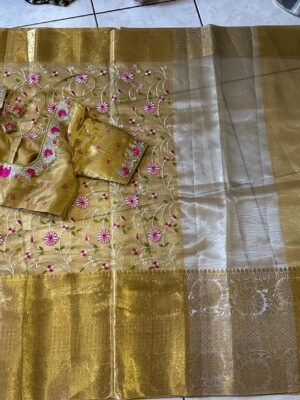
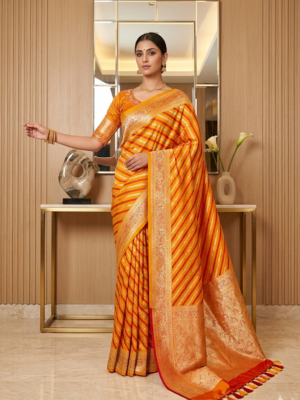
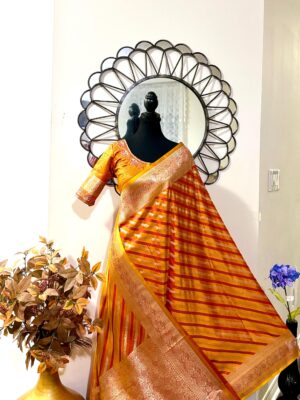
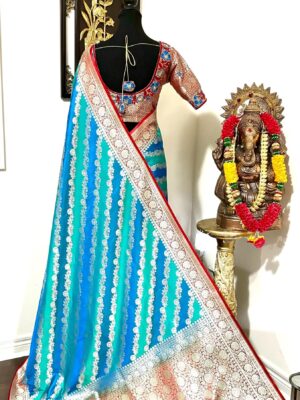
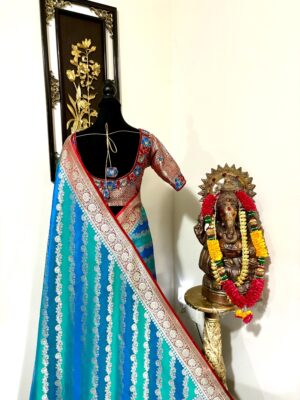
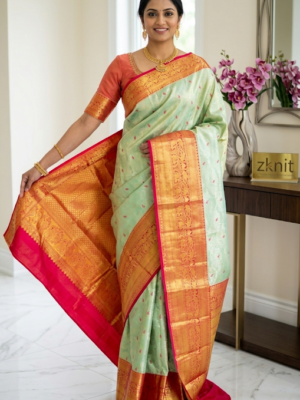
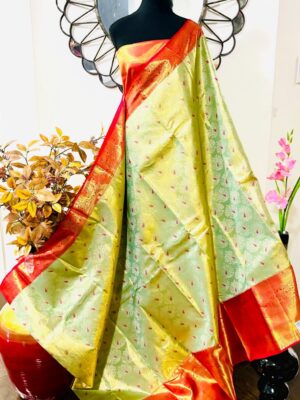
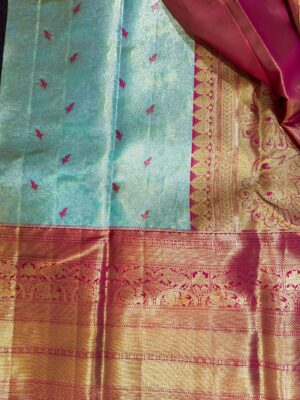
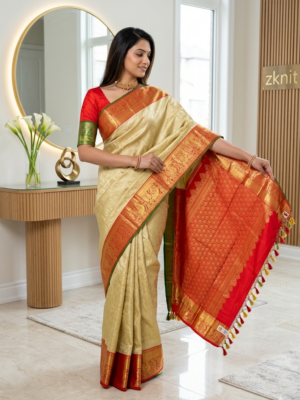
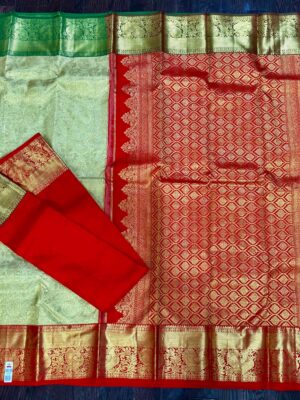
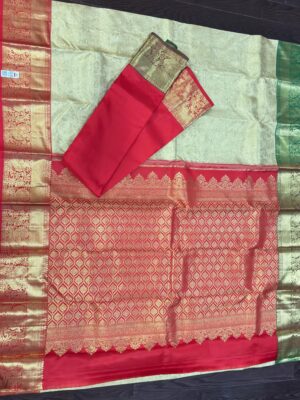
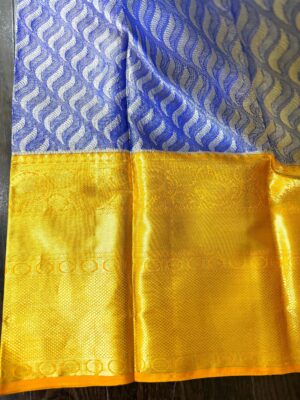
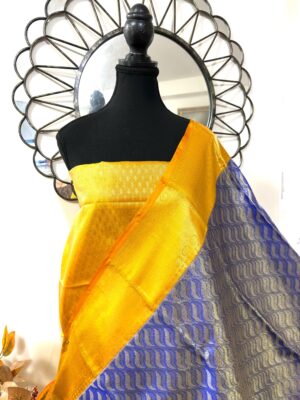
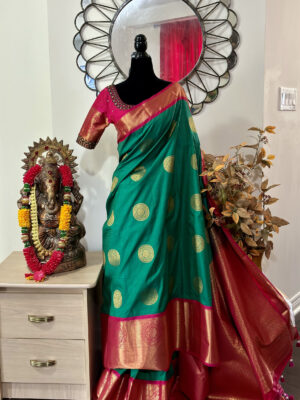
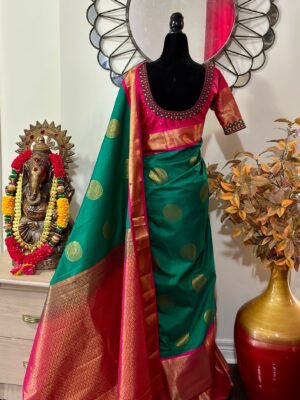
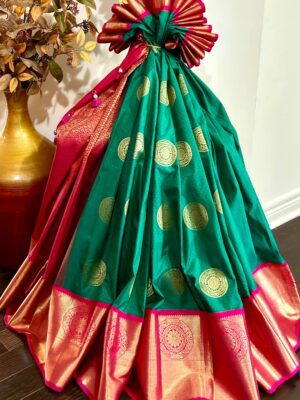
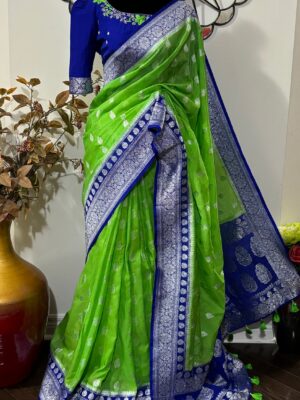
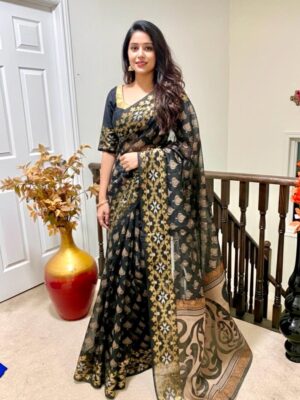
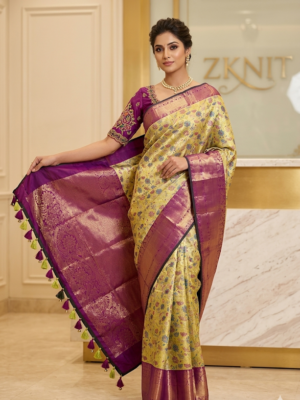
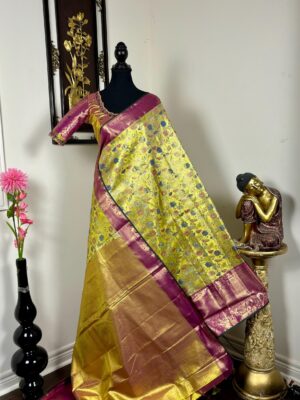
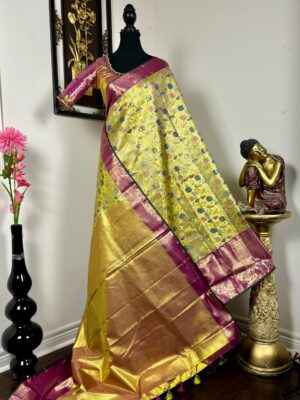
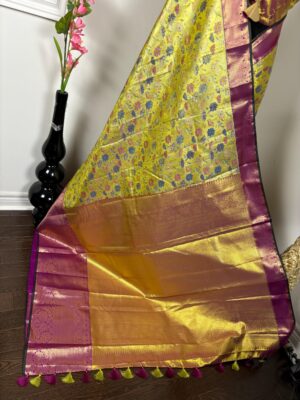
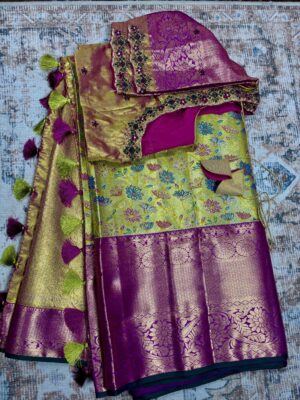
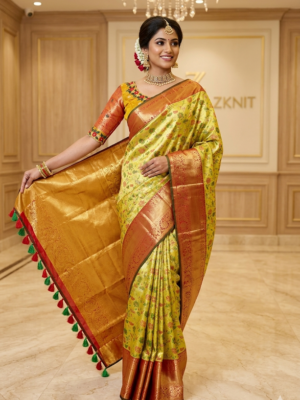
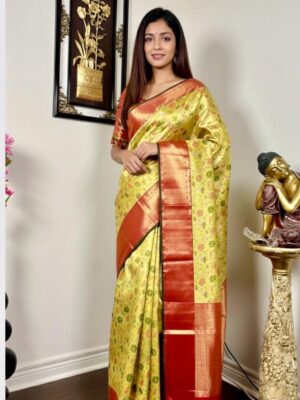
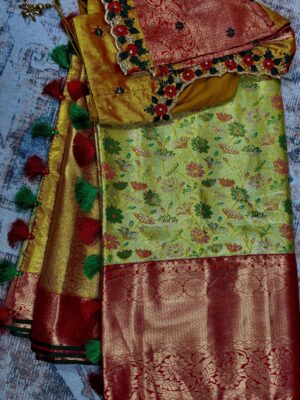
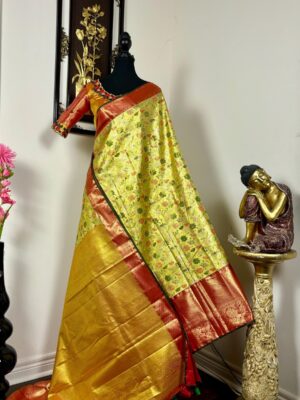
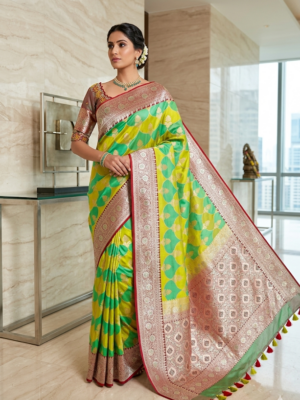
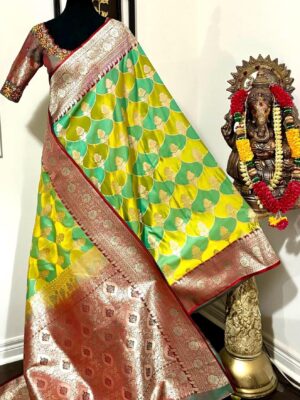
  • Silk Sarees: Luxurious and ornate, ideal for weddings and festivals. Examples: Kanjivaram, Banarasi, Tussar silk.

  • Cotton Sarees: Lightweight and breathable, perfect for daily wear and office attire. Examples: Kota Doria, Chanderi cotton.

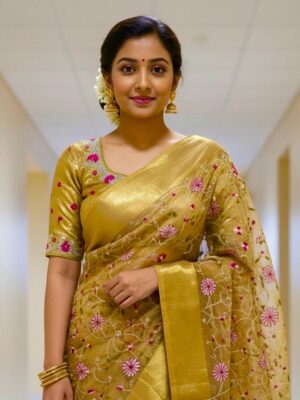
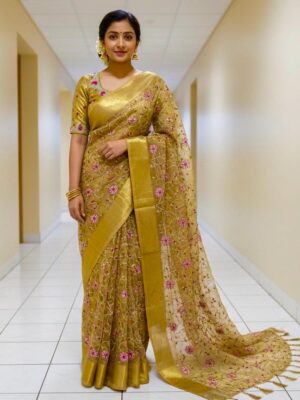
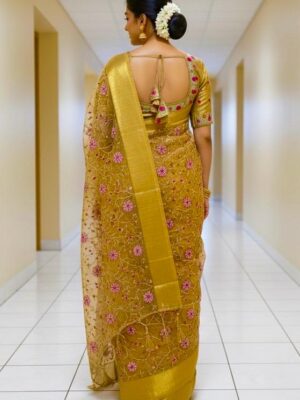
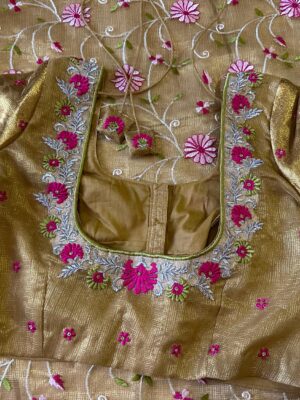
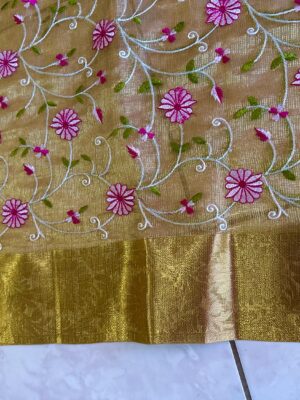
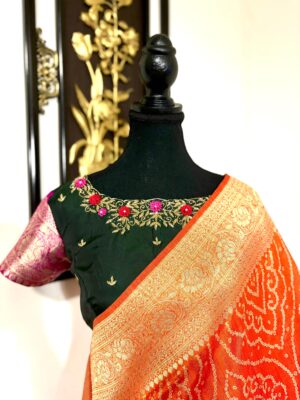
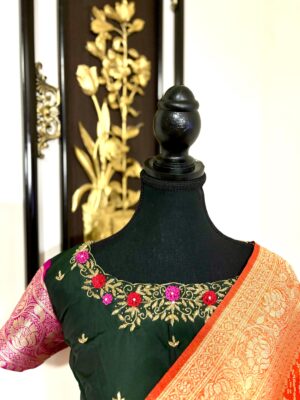
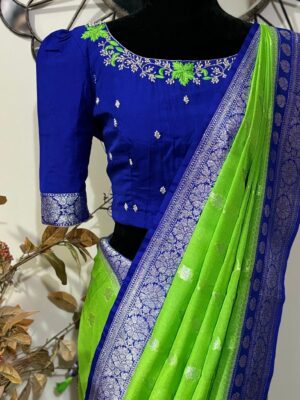
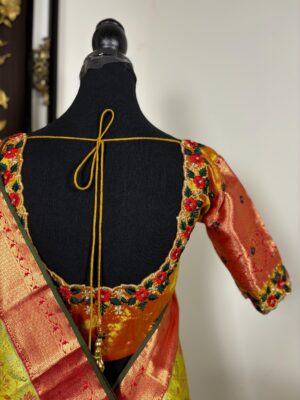
  • Designer Sarees: Modern fabrics and drapes with embellishments like sequins, beads, and embroidery. Perfect for parties and social gatherings.

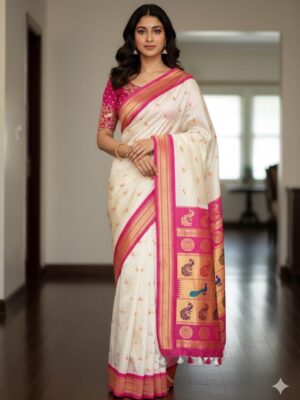
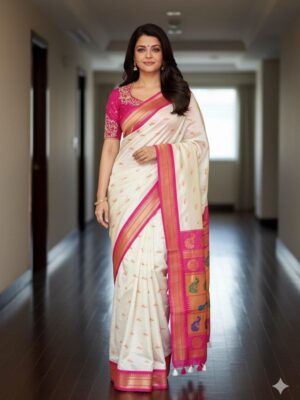
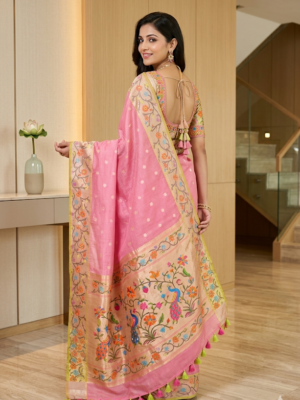
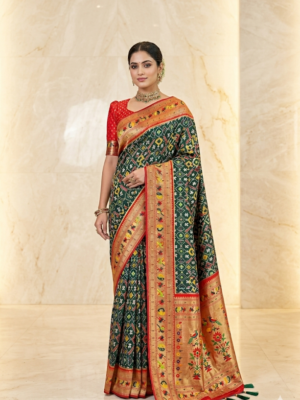
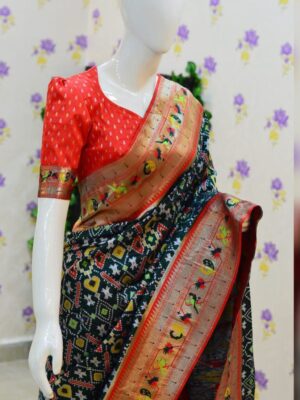
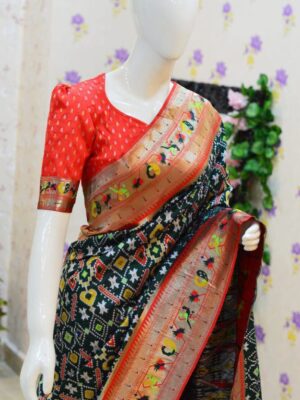
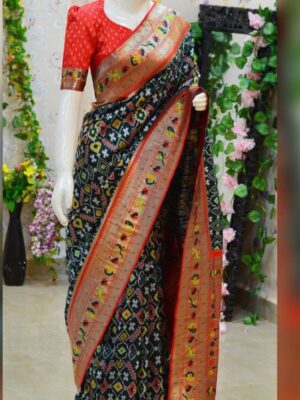
  • Regional Sarees: Each state in India has its signature style, from Bengal’s Tant and Baluchari to Maharashtra’s Paithani silk.


Styling Your Saree

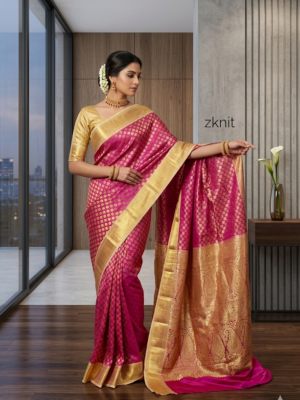
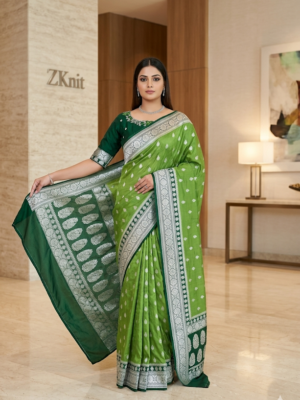
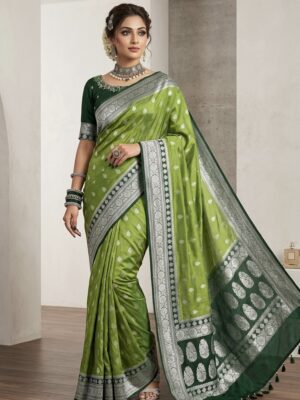
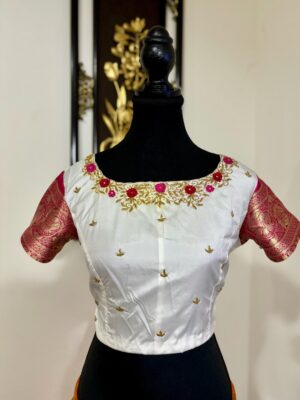
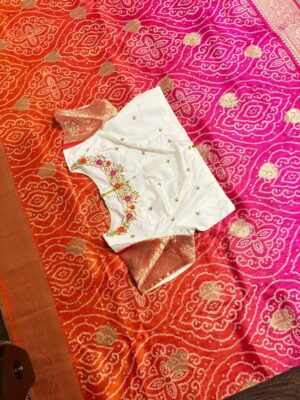
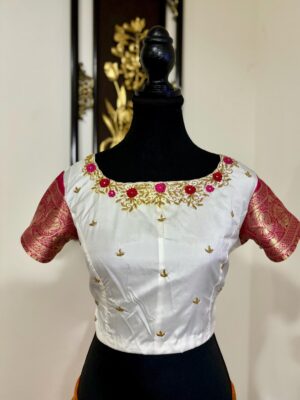
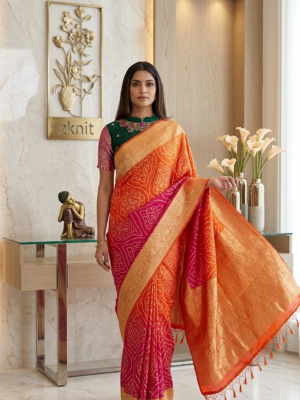
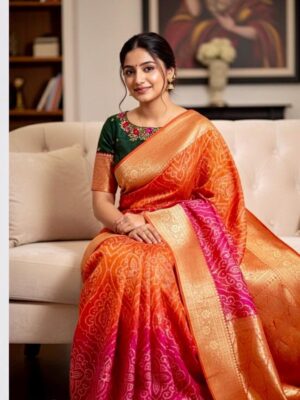
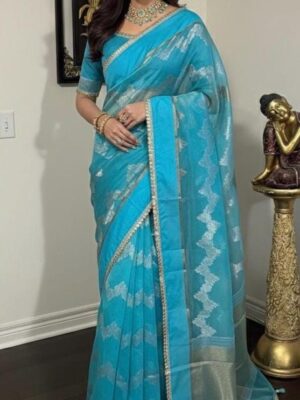
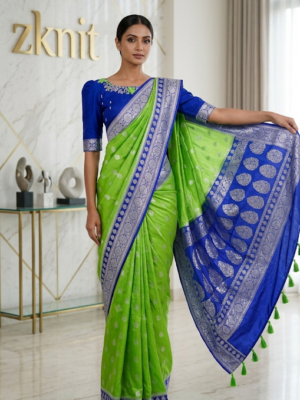
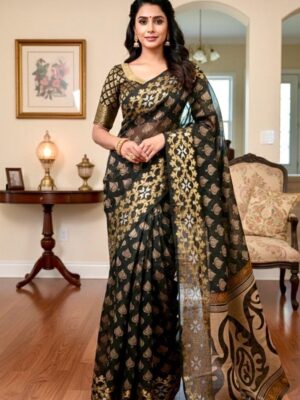
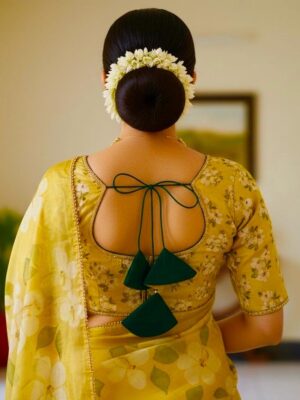
From traditional Nivi drapes to modern pre-stitched or belt-style drapes, the saree is incredibly versatile. Pair it with statement jewelry, a stylish blouse, and matching footwear to complete your look.


Fabrics and Patterns

  • Silk: Rich, smooth, and formal
  • Cotton: Comfortable and everyday
  • Georgette/Chiffon: Flowing and lightweight
  • Linen: Elegant and breathable

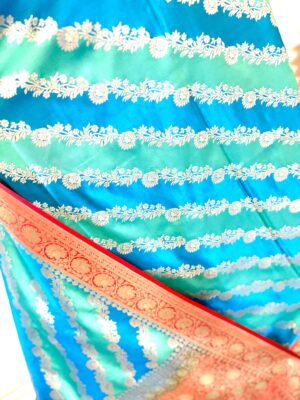
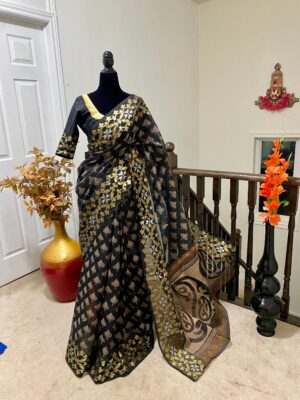
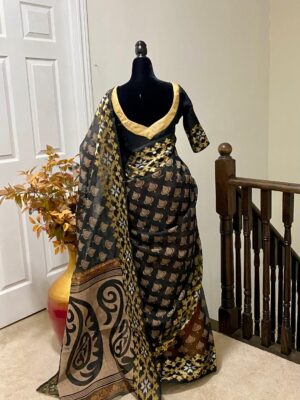
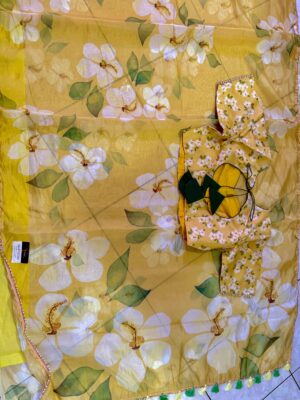
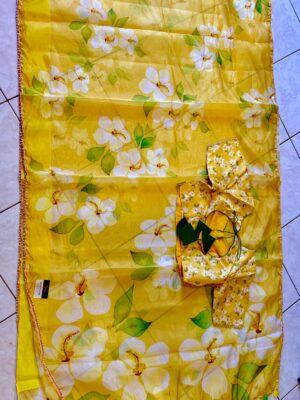
Patterns range from floral and geometric to paisleys and traditional motifs, allowing you to express your personality and style.


Occasions for Sarees

  • Weddings & Engagements: Silk and designer sarees
  • Festivals: Bandhani, Kanjivaram, Chanderi
  • Office & Casual Wear: Cotton, linen, printed sarees
  • Parties & Events: Designer, net, or georgette sarees


Caring for Your Sarees

  • Dry clean silk and heavily embroidered sarees
  • Hand wash cotton and linen with mild detergent
  • Store folded with tissue paper in a cool, dry place
  • Avoid direct sunlight to prevent fading


Buying Sarees Online

Shopping for sarees online is convenient and offers a wide variety. Explore regional craftsmanship, compare prices, read reviews, and have the saree delivered to your doorstep.


Conclusion

The saree is more than attire — it is a symbol of elegance, tradition, and culture. From luxurious silk to modern designer pieces, there is a saree for every occasion. Celebrate Indian heritage while making a timeless style statement.

Scroll down to read our complete guide on sarees, including history, types, fabrics, styling tips, and care instructions.


Read Full Saree Guide

The History of Saree: A Legacy of Tradition

The origins of the saree date back over 5,000 years. Ancient art and literature depict women draped in unstitched fabrics, a style that has evolved over centuries into the sarees we wear today. Each region in India developed its own weaving techniques, resulting in a rich diversity of sarees like Banarasi, Kanjivaram, Chanderi, and Bandhani.


Types of Sarees: Styles for Every Occasion

  • Silk Sarees: Luxurious and ornate, ideal for weddings and festivals. Examples: Kanjivaram, Banarasi, Tussar silk.

  • Cotton Sarees: Lightweight and breathable, perfect for daily wear and office attire. Examples: Kota Doria, Chanderi cotton.

  • Designer Sarees: Modern fabrics and drapes with embellishments like sequins, beads, and embroidery. Perfect for parties and social gatherings.

  • Regional Sarees: Each state in India has its signature style, from Bengal’s Tant and Baluchari to Maharashtra’s Paithani silk.


Styling Your Saree

From traditional Nivi drapes to modern pre-stitched or belt-style drapes, the saree is incredibly versatile. Pair it with statement jewelry, a stylish blouse, and matching footwear to complete your look.


Fabrics and Patterns

  • Silk: Rich, smooth, and formal
  • Cotton: Comfortable and everyday
  • Georgette/Chiffon: Flowing and lightweight
  • Linen: Elegant and breathable

Patterns range from floral and geometric to paisleys and traditional motifs, allowing you to express your personality and style.


Occasions for Sarees

  • Weddings & Engagements: Silk and designer sarees
  • Festivals: Bandhani, Kanjivaram, Chanderi
  • Office & Casual Wear: Cotton, linen, printed sarees
  • Parties & Events: Designer, net, or georgette sarees


Caring for Your Sarees

  • Dry clean silk and heavily embroidered sarees
  • Hand wash cotton and linen with mild detergent
  • Store folded with tissue paper in a cool, dry place
  • Avoid direct sunlight to prevent fading


Buying Sarees Online

Shopping for sarees online is convenient and offers a wide variety. Explore regional craftsmanship, compare prices, read reviews, and have the saree delivered to your doorstep.


Conclusion

The saree is more than attire — it is a symbol of elegance, tradition, and culture. From luxurious silk to modern designer pieces, there is a saree for every occasion. Celebrate Indian heritage while making a timeless style statement.

Instagram
Zipp is here to help — ask me anything!