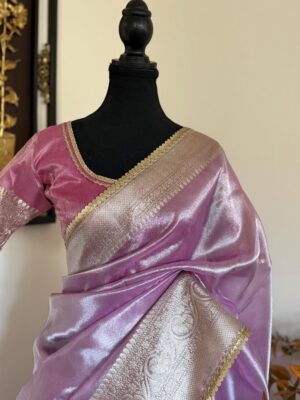
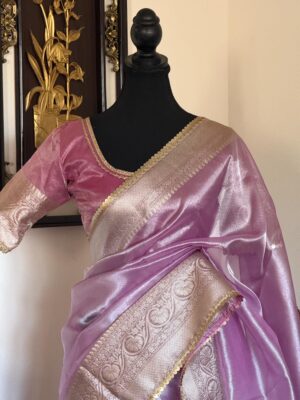
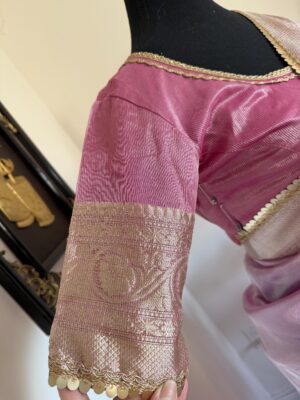
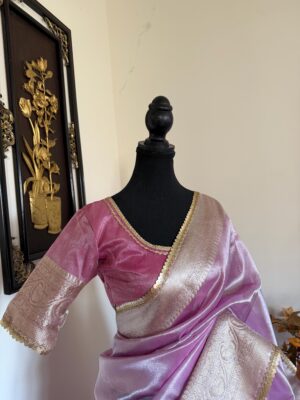
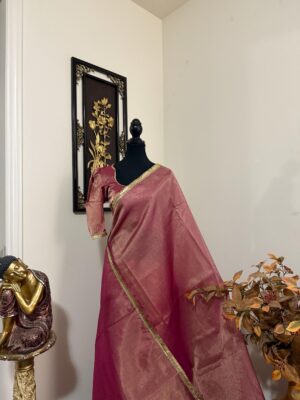
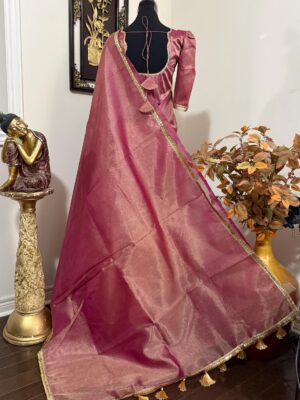
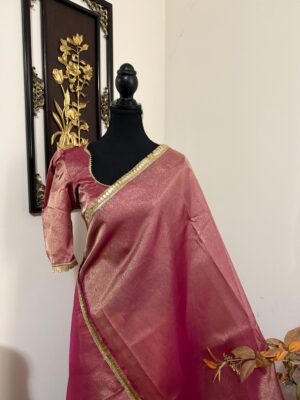
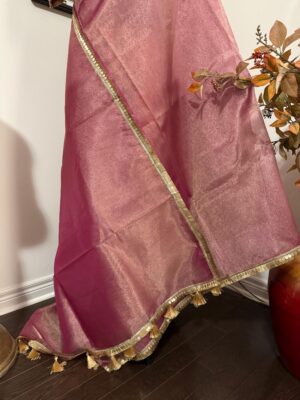
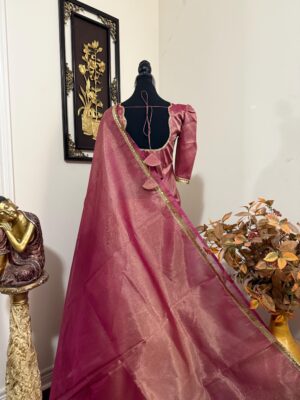
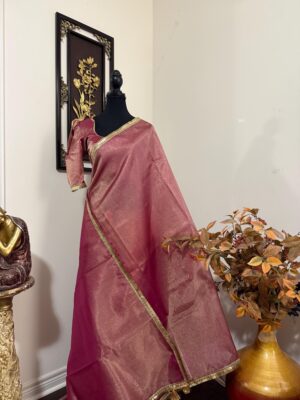
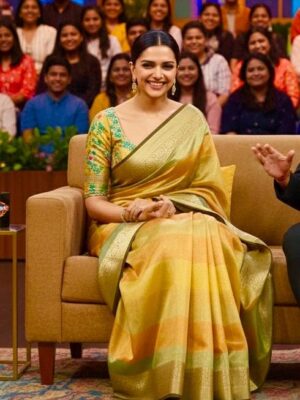
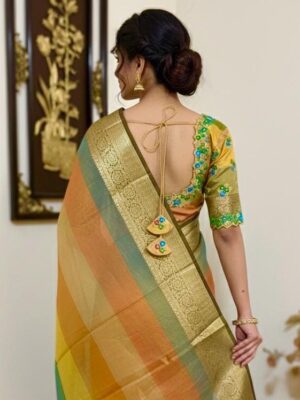
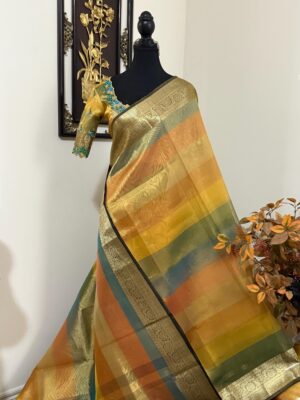
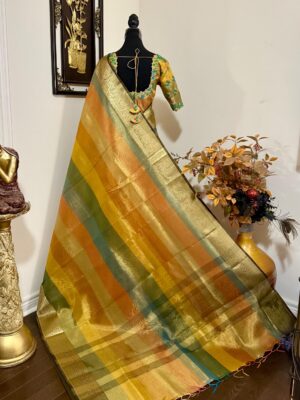
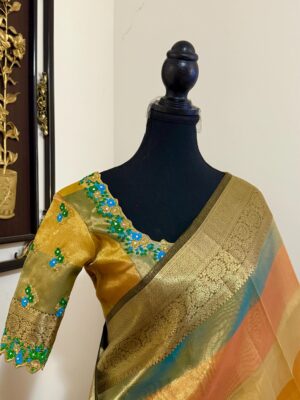
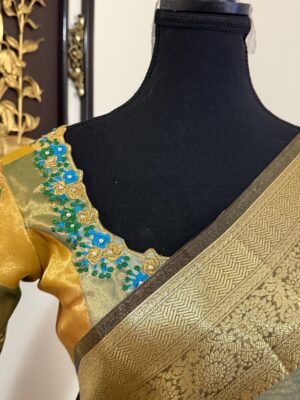
Banarasi

Price


Color +

Red
Pink
Orange
Yellow
Green
Blue
Purple
Brown
Beige
Grey
Silver
Black
White
Multi

Size +

  • 1
  • 2
  • 3
  • 4
  • 5
  • 6
  • 7
  • 8
  • 9
  • 10
  • 11
  • 12
  • 13
  • NEWBORN
  • 0-6M
  • 3-6M
  • 6-12M
  • 1-2Y
  • 2-3Y
  • 2-4Y
  • 3-4Y
  • 3-5Y
  • 4-5Y
  • 5-6Y
  • 6-7Y
  • 7-8Y
  • 8-9Y
  • 9-10Y
  • 10-11Y
  • 11-12Y
  • 12-13Y
  • 13-14Y
  • 14-15Y
  • 32
  • 34
  • 36
  • 38
  • 40
  • 42
  • 44
  • 46
  • S-M
  • L-XL
  • 2XL-3XL
  • XS
  • S
  • M
  • L
  • XL
  • 2XL
  • 3XL
  • 4XL
  • 5XL
  • 6XL
  • 7XL
  • 8XL
  • 9XL

Material +

  • Show more

Banarasi Saree: The Timeless Weave of Royal Elegance

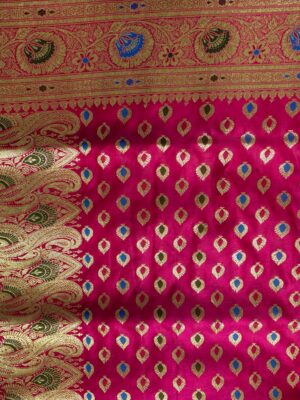
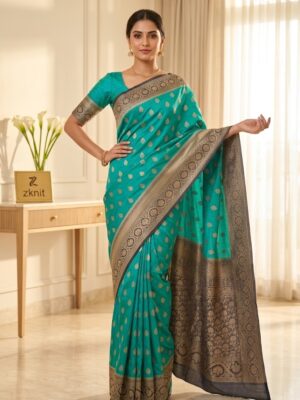
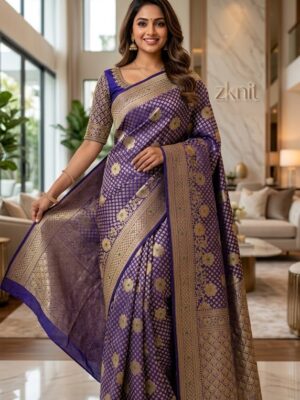
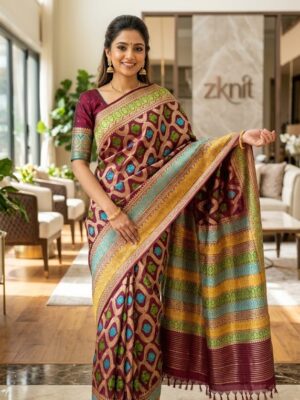
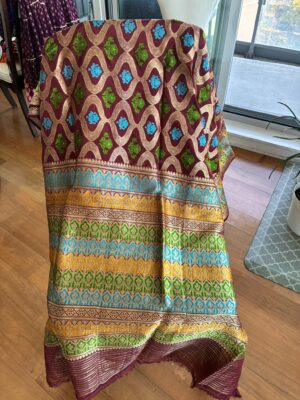
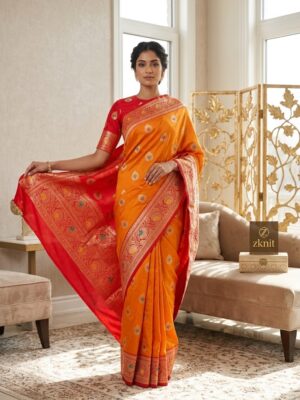
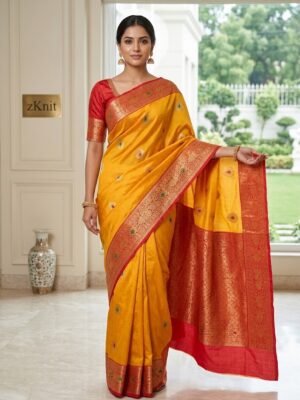
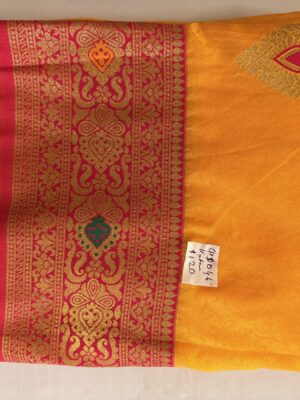
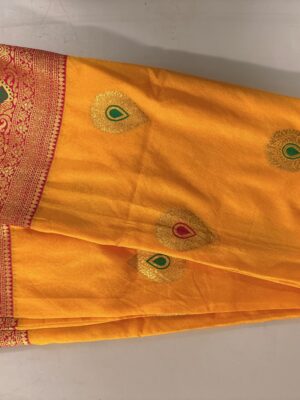
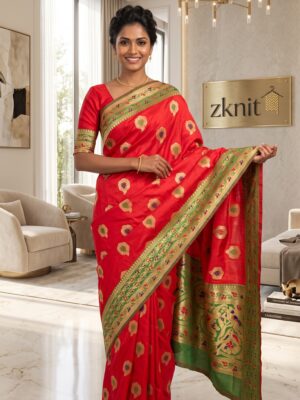
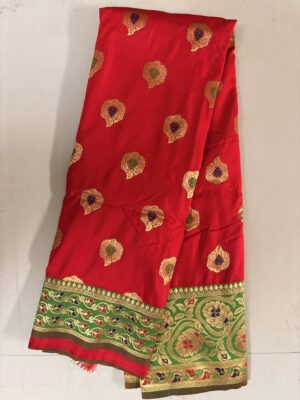
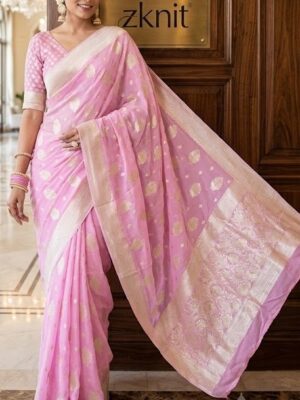
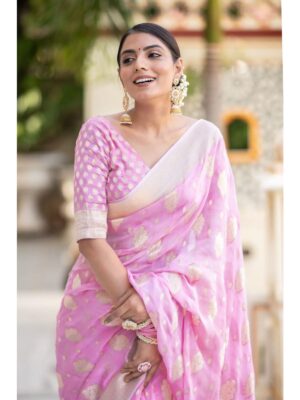
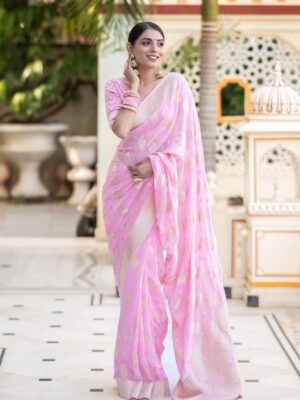
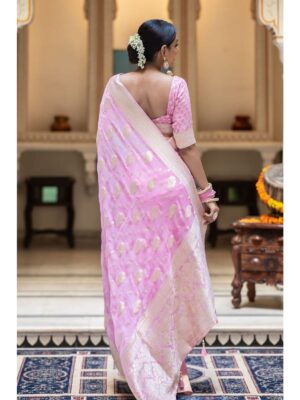
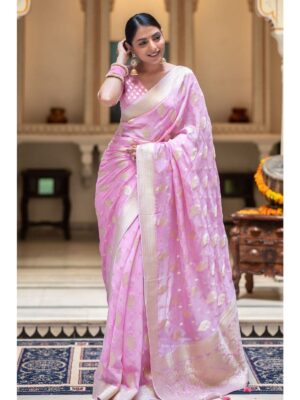
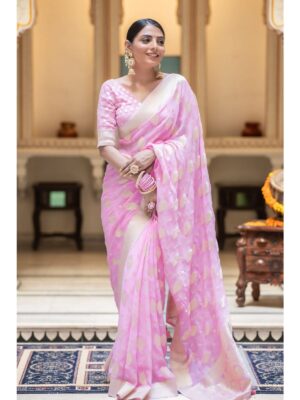
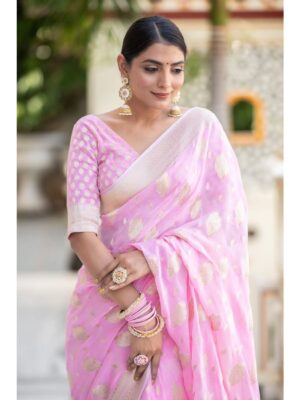
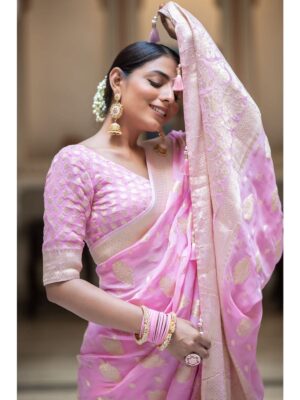
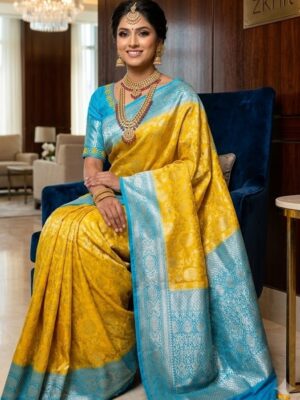
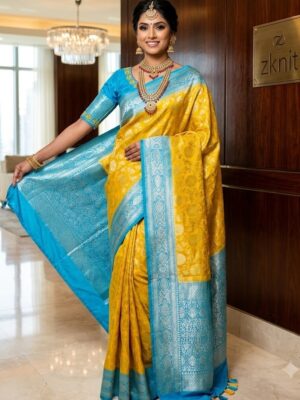
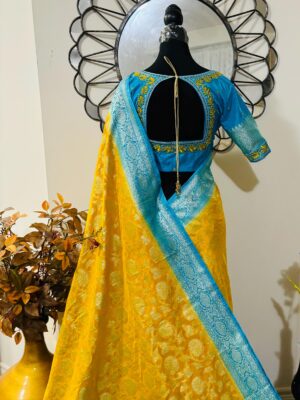
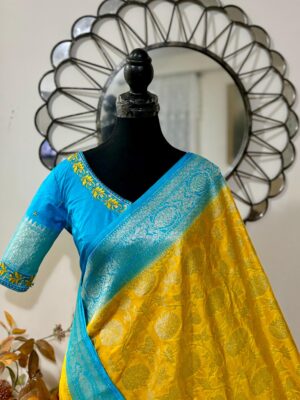
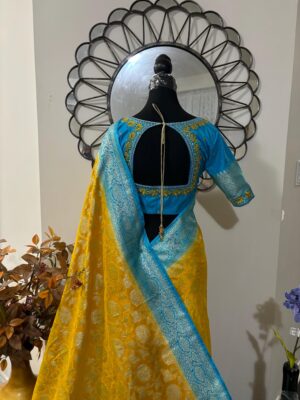
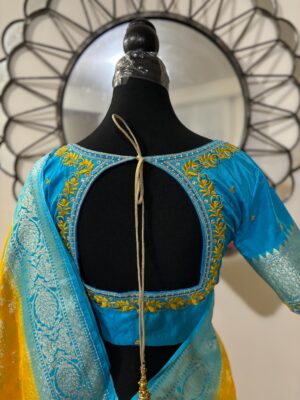
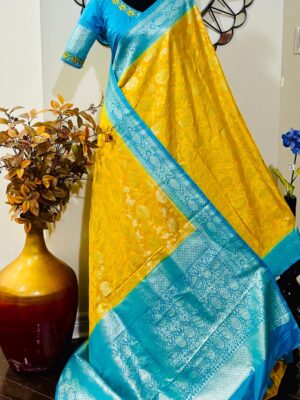
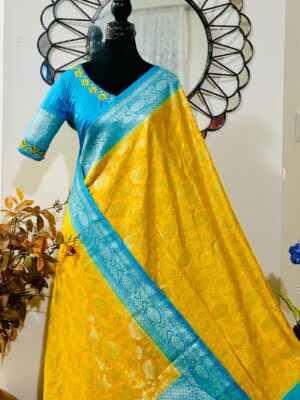
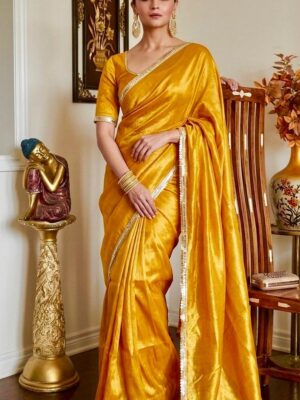
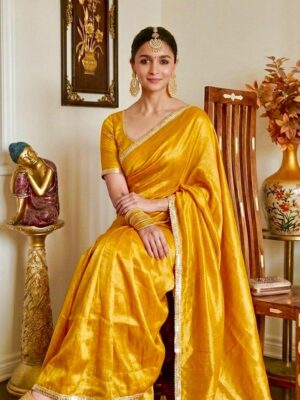
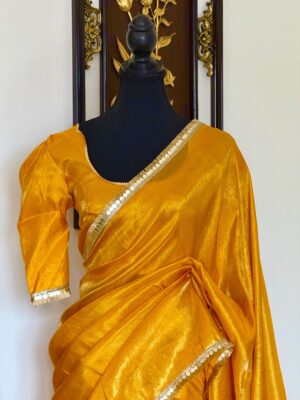
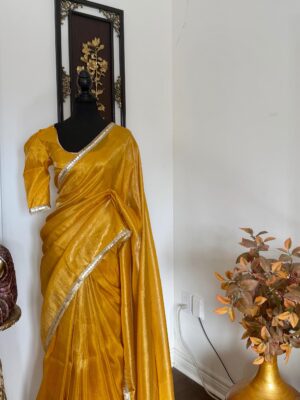
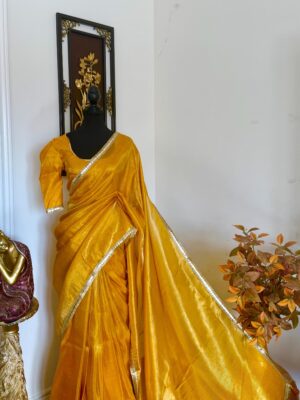
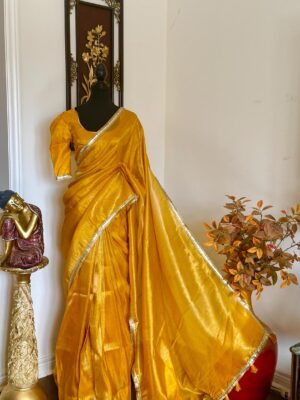
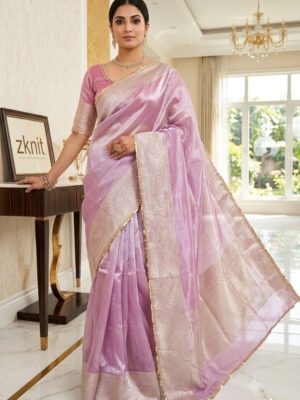
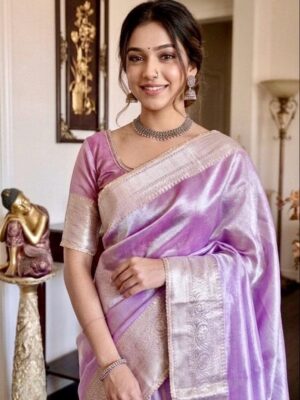
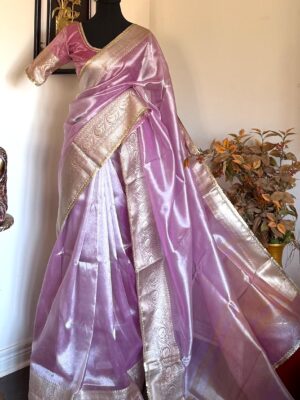
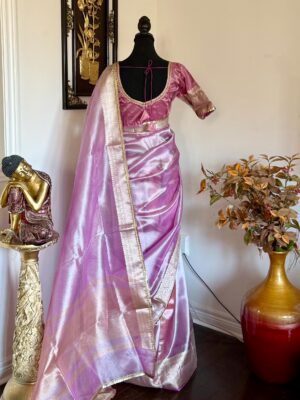
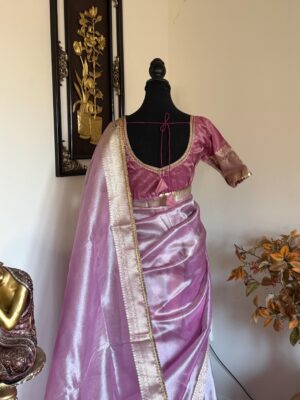
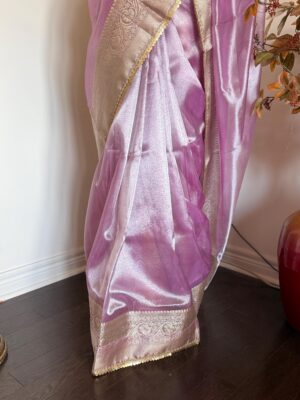
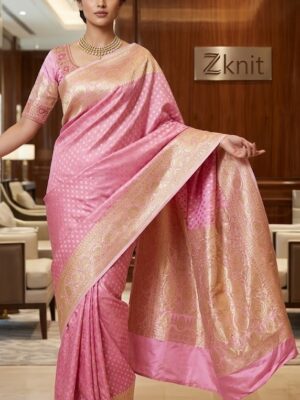
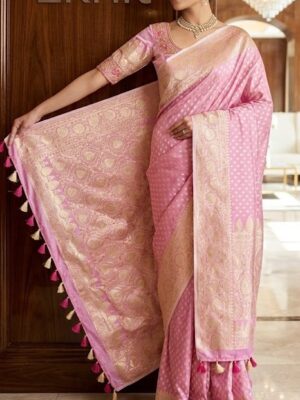
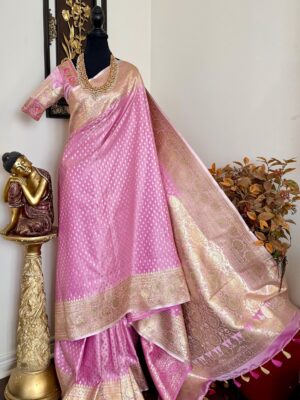
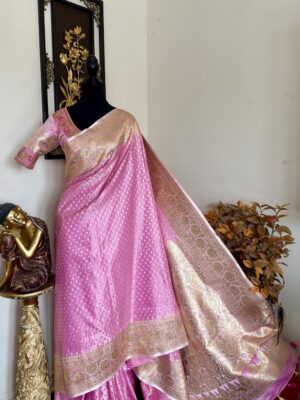
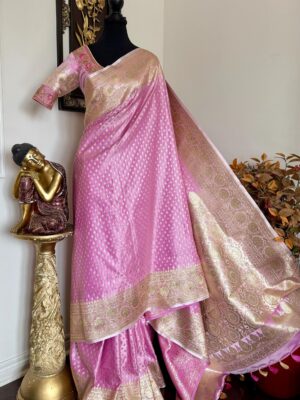
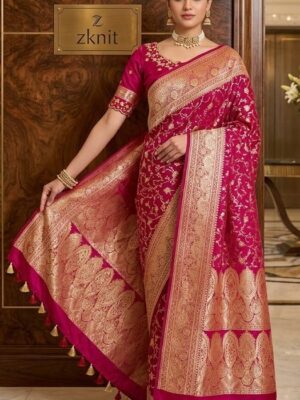
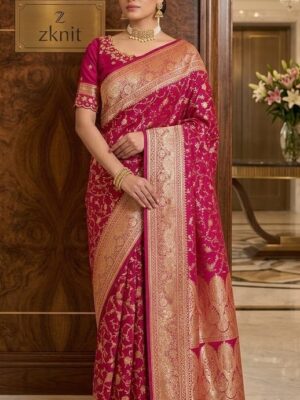
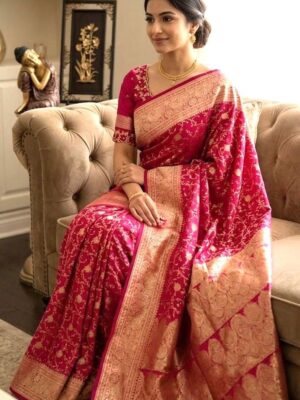
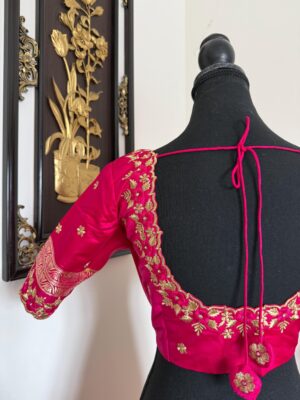
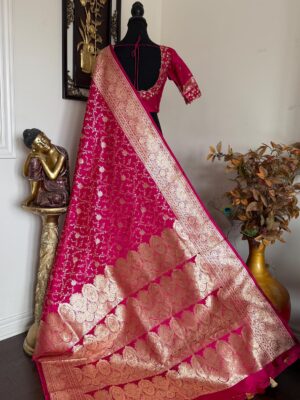
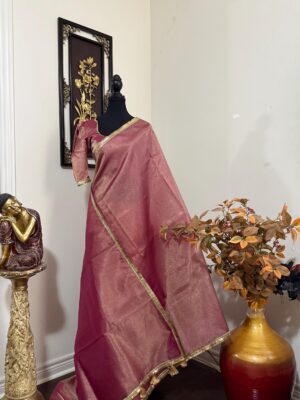
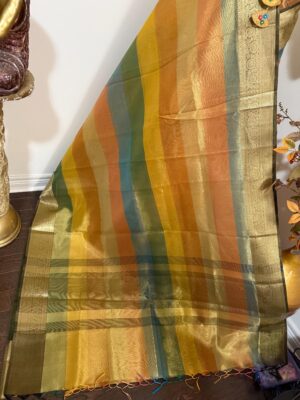
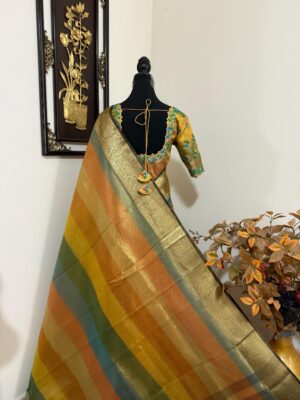
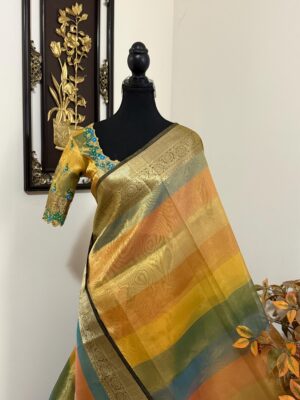
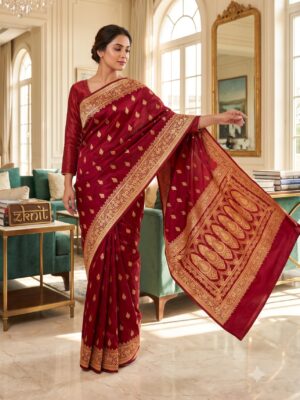
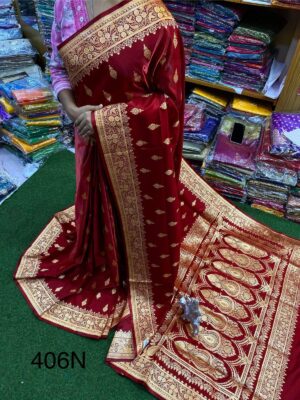
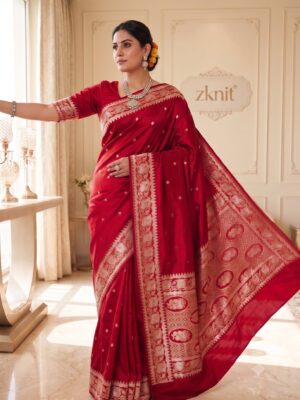
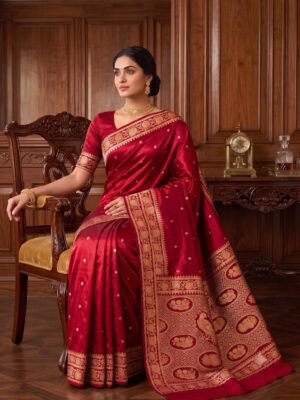
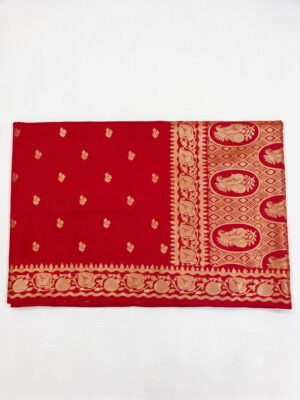
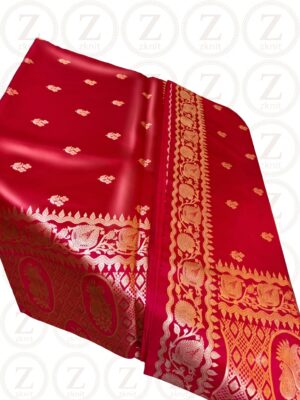
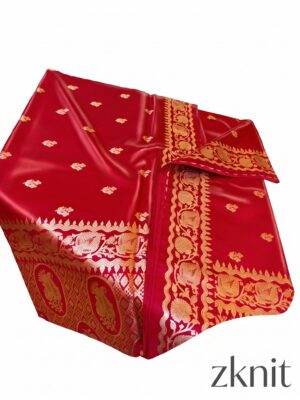
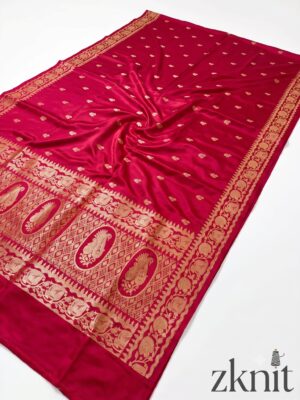
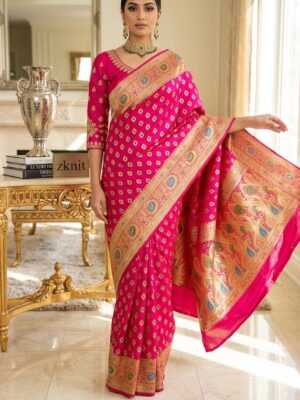
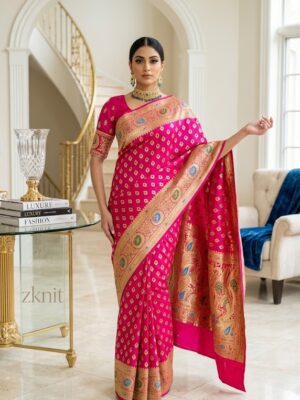
The Banarasi saree is one of India’s most luxurious and cherished traditional garments. Known for its rich silk, intricate brocade work, and Mughal-inspired designs, the Banarasi saree represents centuries of artistry from the city of Varanasi. Whether worn for weddings, festivals, or special celebrations, a Banarasi saree adds unmatched grandeur and elegance to any occasion. Buy Banarasi Saree Online in Canada & USA.

Explore our curated collection of Pure Banarasi Silk Sarees, Banarasi Katan Sarees, Banarasi Organza Sarees, Banarasi Georgette Sarees, and Bridal Banarasi Sarees, each crafted by skilled artisans who preserve the heritage of this iconic weave, from multiple vendors in Canada and USA. Buy Banarasi Saree Online in Canada & USA from zknit.ai.

Explore our complete collection of Sarees including Banarasi, Bandhani, Chanderi, Gadwal, Georgette, Jamdani, Kanjeevaram, Katan, Organza, Paithani, Patola, Tant-Cotton, Tussar and more.
Scroll down to read the full Banarasi Saree Guide, including history, weaving techniques, motifs, styling ideas, and care tips.


Read Full Banarasi Saree Guide

What Makes a Banarasi Saree Special?

A true Banarasi saree is defined by:

  • Fine silk fibers woven with precision

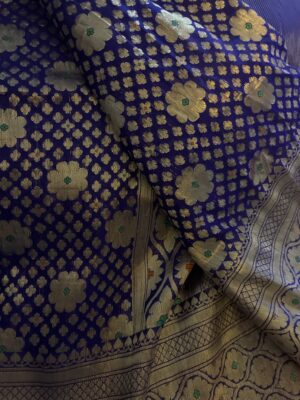
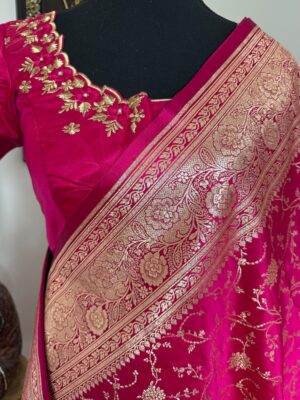
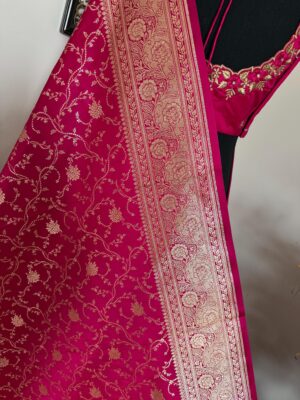
  • Real zari work made from gold or silver threads

  • Intricate brocade and jamdani weaving

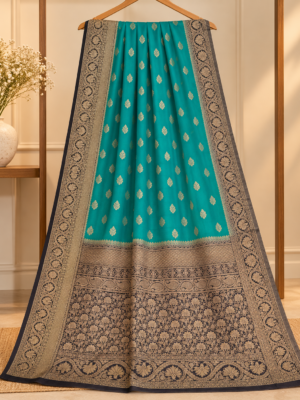
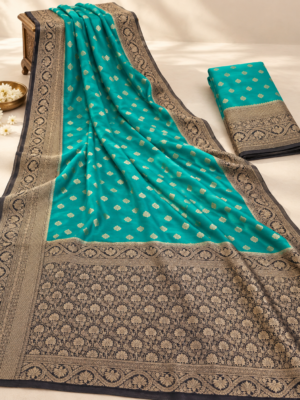
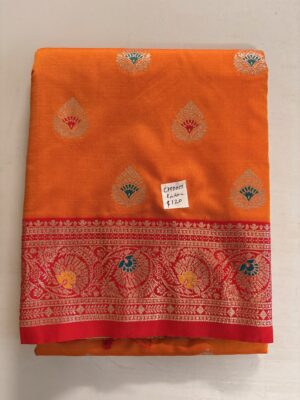
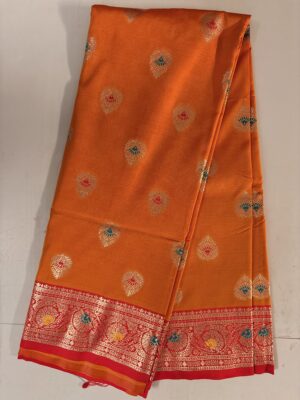
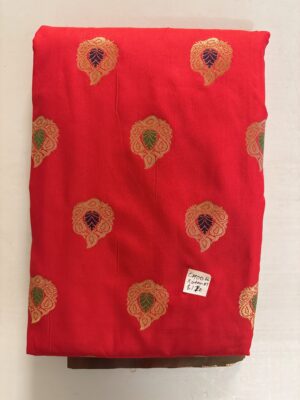
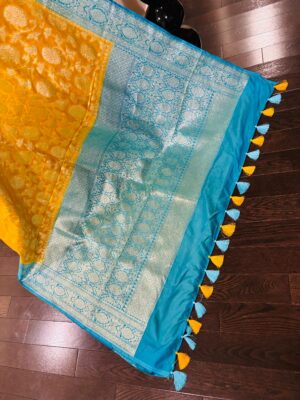
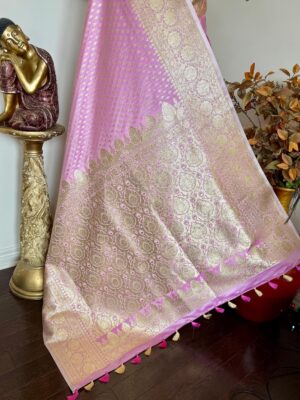
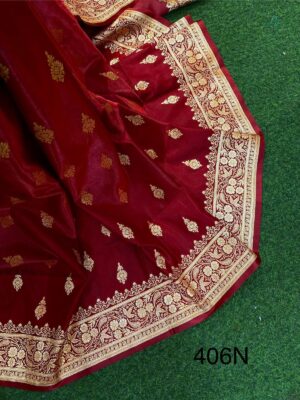
  • Mughal-inspired motifs like florals, jhallar borders, creepers, and kalga-bel patterns

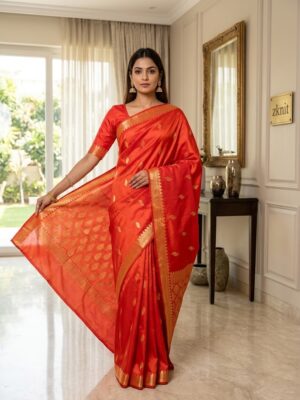
  • Heavy, luxurious drape suitable for weddings and formal events

These sarees are known for their craftsmanship—each piece can take weeks to months to create.


The History of Banarasi Sarees

Originating in Varanasi (Banaras), the Banarasi saree has a history that dates back several centuries. Influenced by Persian and Mughal aesthetics, the weave grew in richness and complexity over time. During the Mughal era, Banaras became a major center for silk weaving, giving rise to the iconic zari patterns and brocade textures that define Banarasi sarees today.

Today, Banarasi sarees remain a symbol of Indian heritage and continue to be treasured as bridal and heirloom pieces.


Types of Banarasi Sarees

  • Katan Banarasi Sarees: Pure silk with tightly woven yarn. Rich, smooth, and traditional.

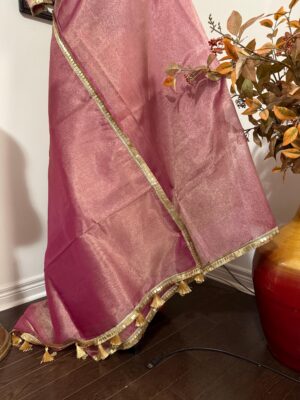
  • Banarasi Organza Sarees: Lightweight with beautiful zari motifs. Elegant and modern.

  • Banarasi Georgette Sarees: Soft, flowy fabric with classic Banarasi designs—great for evening events.

  • Banarasi Tissue Sarees: Sheer, shimmering finish—perfect for parties and receptions.

  • Jamdani Banarasi Sarees: Intricate handwoven motifs added on the loom, showcasing elite craftsmanship.

  • Bridal Banarasi Sarees: Heavy zari, deep hues, and detailed patterns crafted for wedding grandeur.


Iconic Banarasi Motifs

Banarasi sarees are known for their signature motifs, such as:

  • Kalga & Bel: Mughal-style paisley patterns

  • Jangla: Vine and floral motifs woven across the body

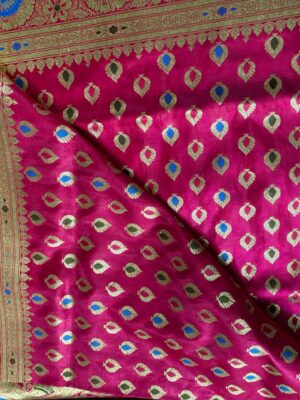
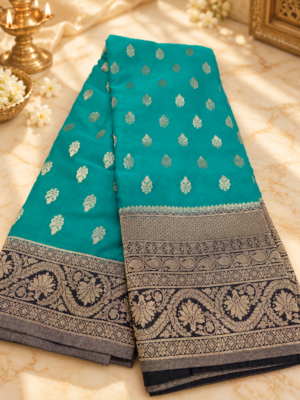
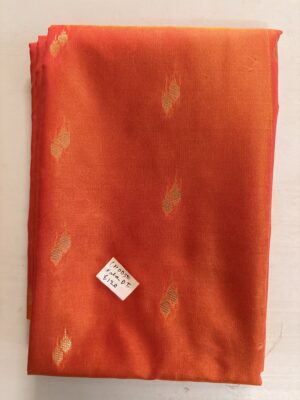
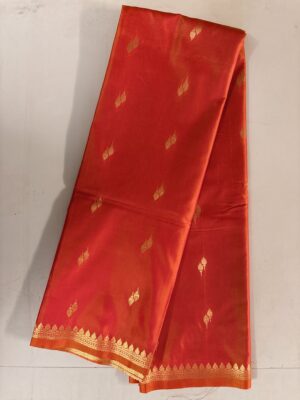
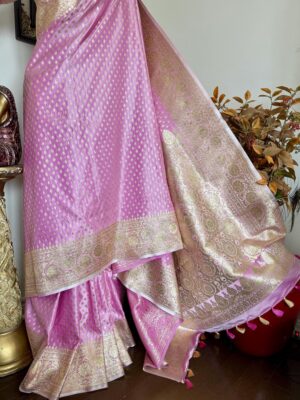
  • Butidar (Butti): Small, repeating motifs of gold/silver thread

  • Shikargah: Hunting scenes woven into silk—rare and artistic

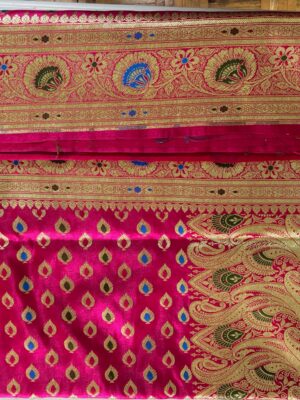
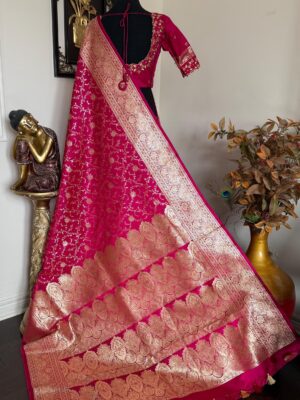
  • Jhallar Border: A zig-zag, leaf-like pattern along the pallu and border

Each motif represents the cultural fusion that shaped Banarasi weaving.


How to Style a Banarasi Saree

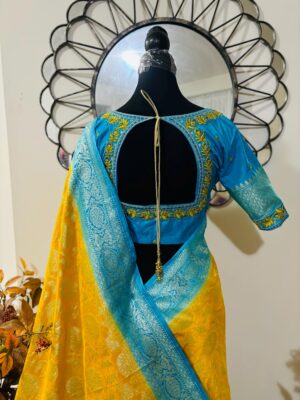
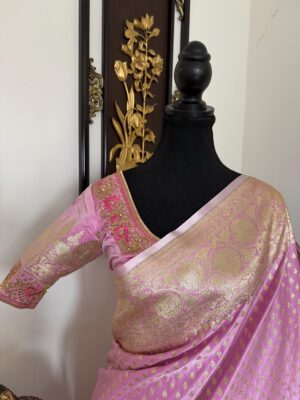
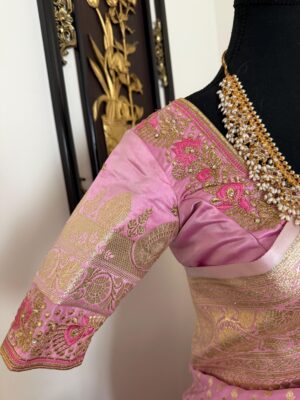
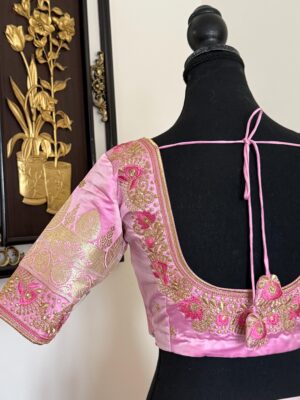
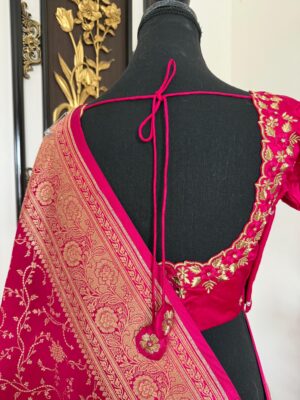
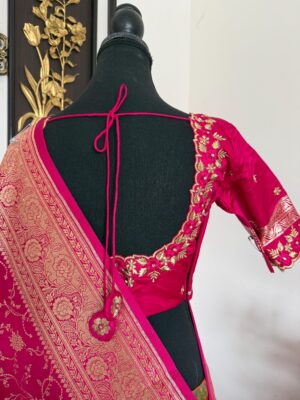
  • Pair with a matching or contrast brocade blouse for a royal look.

  • Add traditional jewelry like kundan, temple jewelry, gold chokers, and jhumkas.

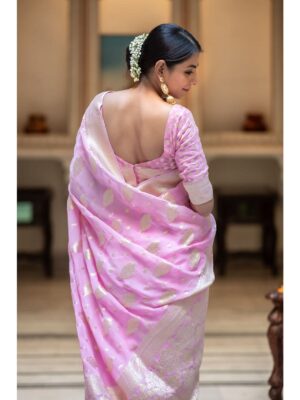
  • Opt for classic hairstyles such as a bun or braid adorned with flowers.

  • Wear embellished heels or juttis for a comfortable yet festive style.

For a modern twist, try:

  • Sleeveless or halter-neck blouses

  • Minimal gold jewelry with a bold lip

  • A belt-style drape for contemporary receptions or sangeets


Perfect Occasions for Banarasi Sarees

  • Weddings (Brides & Guests)

  • Engagement ceremonies

  • Festivals like Durga Puja, Diwali, Eid

  • Receptions & family celebrations

  • Cultural and traditional events

A Banarasi saree instantly elevates any special occasion.


How to Care for Your Banarasi Saree

  • Dry clean only—zari and silk require delicate care

  • Wrap in muslin cloth before storing

  • Keep away from moisture and direct sunlight

  • Air the saree every few months

  • Fold along different lines periodically to avoid creasing the zari

Proper care ensures the saree remains an heirloom piece for years.


Buying Banarasi Sarees Online

Shopping for Banarasi sarees online allows you to explore a wide variety of authentic weaves, compare patterns, read detailed descriptions, and choose the perfect saree—all from the comfort of your home.


Conclusion

The Banarasi saree is more than just a garment—it's a timeless work of art. Whether you’re a bride, a festive celebrant, or simply someone who appreciates fine Indian textiles, a Banarasi saree offers elegance, tradition, and unmatched beauty in every drape.

Scroll down to read the full Banarasi Saree Guide, including history, weaving techniques, motifs, styling ideas, and care tips.


Read Full Banarasi Saree Guide

What Makes a Banarasi Saree Special?

A true Banarasi saree is defined by:

  • Fine silk fibers woven with precision

  • Real zari work made from gold or silver threads

  • Intricate brocade and jamdani weaving

  • Mughal-inspired motifs like florals, jhallar borders, creepers, and kalga-bel patterns

  • Heavy, luxurious drape suitable for weddings and formal events

These sarees are known for their craftsmanship—each piece can take weeks to months to create.


The History of Banarasi Sarees

Originating in Varanasi (Banaras), the Banarasi saree has a history that dates back several centuries. Influenced by Persian and Mughal aesthetics, the weave grew in richness and complexity over time. During the Mughal era, Banaras became a major center for silk weaving, giving rise to the iconic zari patterns and brocade textures that define Banarasi sarees today.

Today, Banarasi sarees remain a symbol of Indian heritage and continue to be treasured as bridal and heirloom pieces.


Types of Banarasi Sarees

  • Katan Banarasi Sarees: Pure silk with tightly woven yarn. Rich, smooth, and traditional.

  • Banarasi Organza Sarees: Lightweight with beautiful zari motifs. Elegant and modern.

  • Banarasi Georgette Sarees: Soft, flowy fabric with classic Banarasi designs—great for evening events.

  • Banarasi Tissue Sarees: Sheer, shimmering finish—perfect for parties and receptions.

  • Jamdani Banarasi Sarees: Intricate handwoven motifs added on the loom, showcasing elite craftsmanship.

  • Bridal Banarasi Sarees: Heavy zari, deep hues, and detailed patterns crafted for wedding grandeur.


Iconic Banarasi Motifs

Banarasi sarees are known for their signature motifs, such as:

  • Kalga & Bel: Mughal-style paisley patterns

  • Jangla: Vine and floral motifs woven across the body

  • Butidar (Butti): Small, repeating motifs of gold/silver thread

  • Shikargah: Hunting scenes woven into silk—rare and artistic

  • Jhallar Border: A zig-zag, leaf-like pattern along the pallu and border

Each motif represents the cultural fusion that shaped Banarasi weaving.


How to Style a Banarasi Saree

  • Pair with a matching or contrast brocade blouse for a royal look.

  • Add traditional jewelry like kundan, temple jewelry, gold chokers, and jhumkas.

  • Opt for classic hairstyles such as a bun or braid adorned with flowers.

  • Wear embellished heels or juttis for a comfortable yet festive style.

For a modern twist, try:

  • Sleeveless or halter-neck blouses

  • Minimal gold jewelry with a bold lip

  • A belt-style drape for contemporary receptions or sangeets


Perfect Occasions for Banarasi Sarees

  • Weddings (Brides & Guests)

  • Engagement ceremonies

  • Festivals like Durga Puja, Diwali, Eid

  • Receptions & family celebrations

  • Cultural and traditional events

A Banarasi saree instantly elevates any special occasion.


How to Care for Your Banarasi Saree

  • Dry clean only—zari and silk require delicate care

  • Wrap in muslin cloth before storing

  • Keep away from moisture and direct sunlight

  • Air the saree every few months

  • Fold along different lines periodically to avoid creasing the zari

Proper care ensures the saree remains an heirloom piece for years.


Buying Banarasi Sarees Online

Shopping for Banarasi sarees online allows you to explore a wide variety of authentic weaves, compare patterns, read detailed descriptions, and choose the perfect saree—all from the comfort of your home.


Conclusion

The Banarasi saree is more than just a garment—it's a timeless work of art. Whether you’re a bride, a festive celebrant, or simply someone who appreciates fine Indian textiles, a Banarasi saree offers elegance, tradition, and unmatched beauty in every drape.

Instagram
Zipp is here to help — ask me anything!